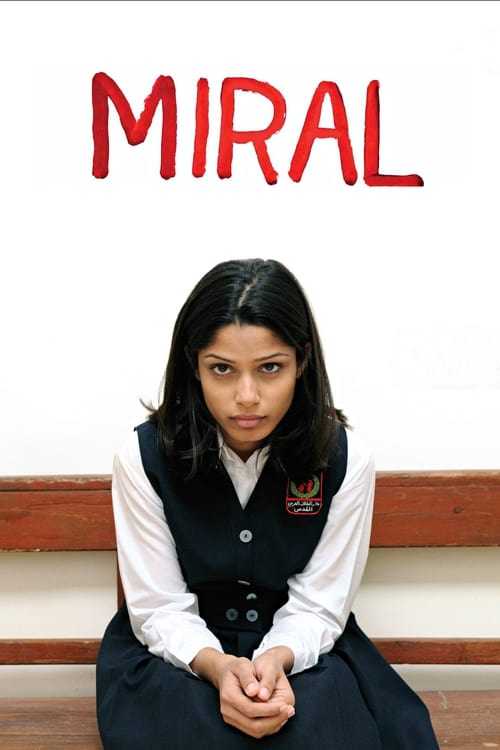
Miral
2010
No user ratings available yet
Representation score: 4.8 out of 10
Representation Score
Good
1995
Director
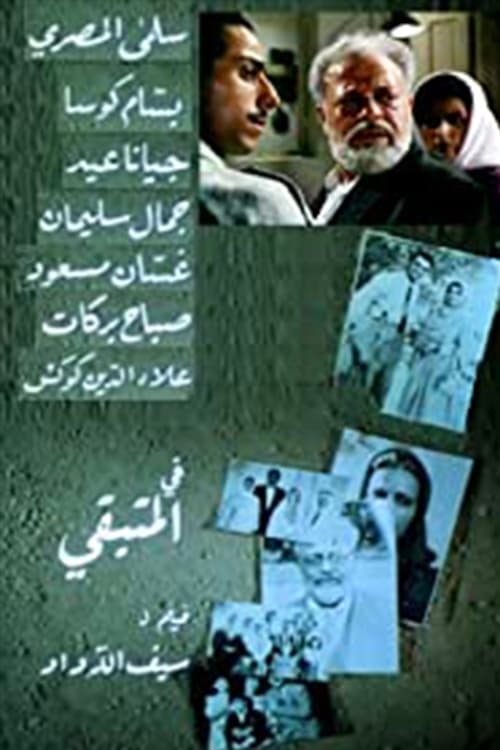
Seifollah Dad
Runtime
144 minutes
Average Rating
No ratings yetNew Showbiz Analysis
That Which Remains is a significant work of historical revisionism that challenges Western-centric narratives. By adapting Ghassan Kanafani’s work, the film centers on the Palestinian struggle and explores systemic displacement within a post-colonial context. The film effectively portrays ability to act amid geopolitical turmoil. It dismantles the stability of traditional institutions by showing how they contribute to the breakdown of the family unit. While the film strongly explores ethnic identity and female strength, it lacks representation for LGBTQ+ identities and disability.
Category Breakdown
The film focuses on the family and national struggles of Palestinian characters. There are no LGBTQ+ characters or non-cisgender identities shown in the story.
The story breaks traditional gender roles with a strong grandmother who actively helps the main characters, moving beyond typical submissive female roles.
The film highlights the Palestinian identity and the experiences of a non-Western population. It delves into the complexities of displacement and the human toll of systemic conflict.
The narrative addresses anti-colonial themes and the disruption of community structures. It portrays the protagonists as victims of broader historical forces and external political influences.
There are no visible or mentioned depictions of physical or neurodivergent disabilities in the film.
Present on Screen
Limited or Absent
Official Synopsis
Based on Ghassan Kanafani's novel, 'Returning to Haifa,' this film, set in 1967, centres on a Palestinian couple who return to the war-torn city to search for their young son Farhan, whom they were forced to abandon when fleeing Zionist acts of terrorism in 1948. Saeed and Atefeh's own house has even been taken over by a Polish Jewish family, who, it transpires, are holding Farhan hostage. It is up to the couple, with the assistance of Farhan's steely grandmother, to find a way to reclaim their lost son. One of the few Iranian films to tackle the Palestinian issue from a historical perspective, this stunning piece of work from Seifollah Daad features meticulous attention to period detail and moving performances.
2010
1985
2004
1989
2023
1997
2009
2006
No reviews yet. Be the first to share your thoughts on this movie!
Use the rating form above to leave a star rating and optional review.