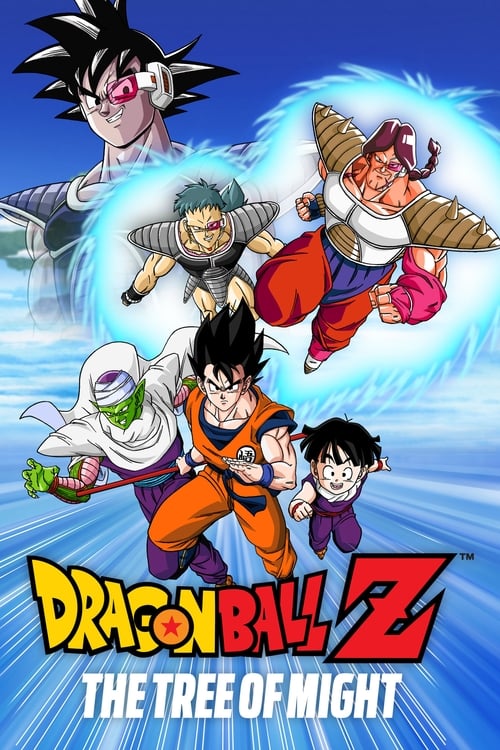
Dragon Ball Z: The Tree of Might
1990
No user ratings available yet
Representation score: 1.8 out of 10
Representation Score
Minimal
1986
TV-PGDirector
Daisuke Nishio
Runtime
50 minutes
Average Rating
No ratings yetNew Showbiz Analysis
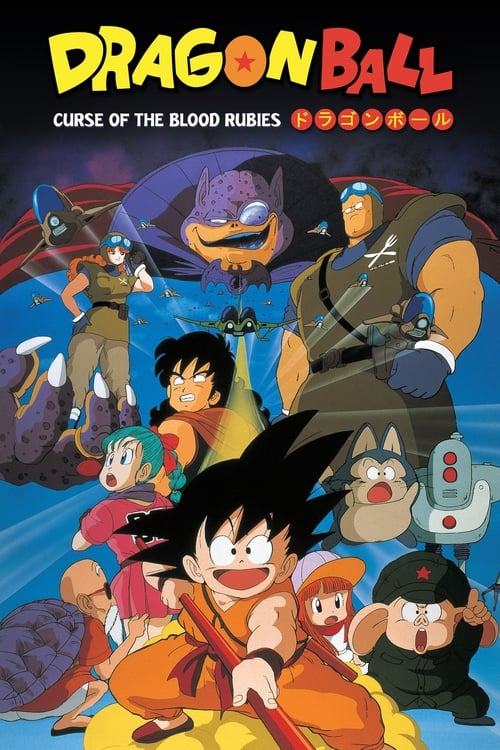
Dragon Ball: Curse of the Blood Rubies is a conventional shonen adventure that prioritizes genre clichés over social subversion. While the fantasy setting offers a multicultural landscape through various species, the narrative remains anchored in traditional structures. The film provides some women's ability to drive the story through characters like Pansy, yet it does not challenge masculine leadership roles. It functions as a standard hero's journey, emphasizing moral clarity and communal protection rather than complex social or cultural critiques. Ultimately, the work lacks intentionality regarding the way different parts of someone's identity overlap or the inclusion of underrepresented identities, such as LGBTQ+ individuals or people with disabilities.
Category Breakdown
The film does not include any characters identifying as LGBTQ+ or depict same-sex relationships. Traditional heterosexual relationships are common in 1980s animation.
Female characters like Pansy and Launch play key roles in driving the plot. However, the story maintains typical genre clichés without challenging traditional gender roles.
A diverse cast of humans and anthropomorphic beings creates a multicultural fantasy setting. This variety serves as standard world-building without critiquing racial hierarchies.
The story follows a binary struggle between good and evil. It lacks critiques of institutions, focusing instead on traditional concepts of communal stability and righteous heroism.
There is no representation of visible or invisible disabilities. No characters are portrayed with neurodivergence or physical impairments as part of their arcs.
Present on Screen
Limited or Absent
Official Synopsis
The great King Gurumes is searching for the Dragon Balls in order to put a stop to his endless hunger. A young girl named Pansy who lives in the nearby village has had enough of the treachery and decides to seek Muten Rōshi for assistance. Can our heroes save the village and put a stop to the Gurumes Army?
1990
1987

1989

1992

1990

1992
1991
1988
No reviews yet. Be the first to share your thoughts on this movie!
Use the rating form above to leave a star rating and optional review.