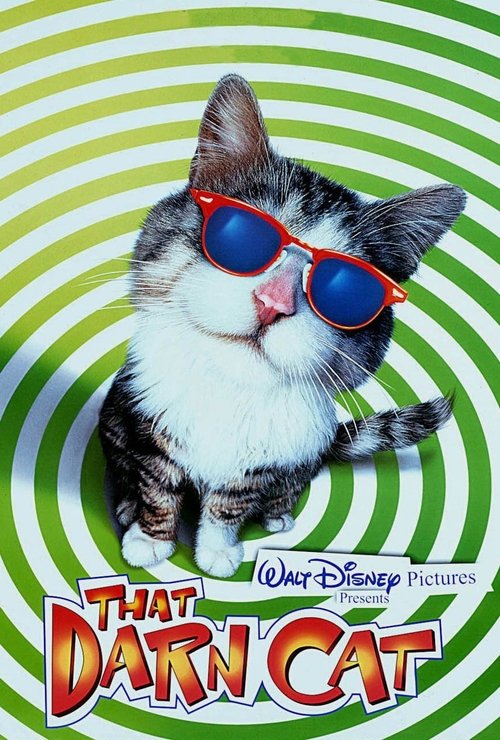
That Darn Cat
1997
No user ratings available yet
Representation score: 1.6 out of 10
Representation Score
Minimal
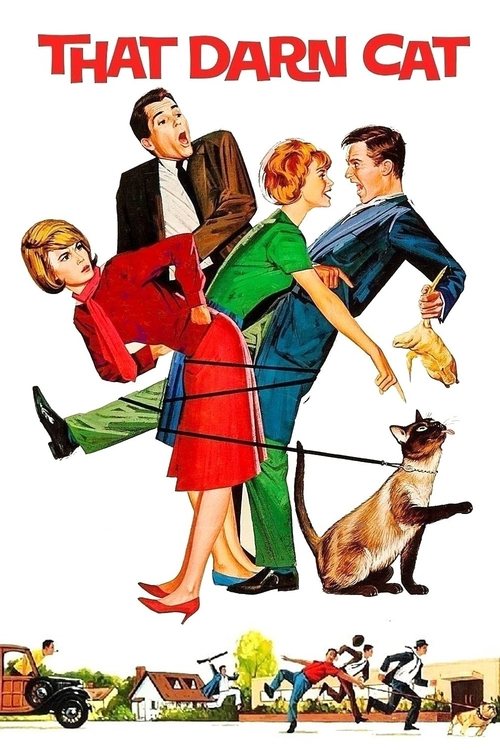
1965
GDirector
Robert Stevenson
Runtime
116 minutes
Average Rating
No ratings yetNew Showbiz Analysis
That Darn Cat! exemplifies mid-century Disney cinema, emphasizing social cohesion and traditional values. It primarily reinforces the status quo of the 1960s without challenging existing power dynamics. The film highlights the protagonist's ability to drive the story and intellect, providing a modest progressive element. However, this is overshadowed by a lack of representation for underrepresented groups, including racial minorities and the LGBTQ+ community. The story focuses on a narrow American suburban experience, lacking depth in cultural diversity.
Category Breakdown
The film doesn't include any LGBTQ+ identities or characters who challenge traditional social structures.
Mary Ann actively drives the mystery, showing intelligence and independence. She breaks away from passive stereotypes by taking charge of the investigation.
The film takes place in a homogeneous, predominantly white, middle-class suburban area with no significant racial or ethnic diversity.
The story emphasizes traditional Western institutions such as the nuclear family and the FBI, promoting conventional moral clarity and respect for authority.
The film doesn't portray any characters with visible or invisible disabilities. The main character is presented as healthy and typical without addressing neurodiversity.
Present on Screen
Limited or Absent
Official Synopsis
A young woman suspects foul play when her cat comes home wearing a wristwatch. Convincing the FBI, though, and catching the bad guys is tougher than she imagined.
1997

1981

2009
1966
1994
1968
2001
1961
No reviews yet. Be the first to share your thoughts on this movie!
Use the rating form above to leave a star rating and optional review.