
Tarka the Otter
1979
No user ratings available yet
Representation score: 2.3 out of 10
Representation Score
Limited
1962
ApprovedDirector
Jack Cardiff
Runtime
96 minutes
Average Rating
No ratings yetNew Showbiz Analysis
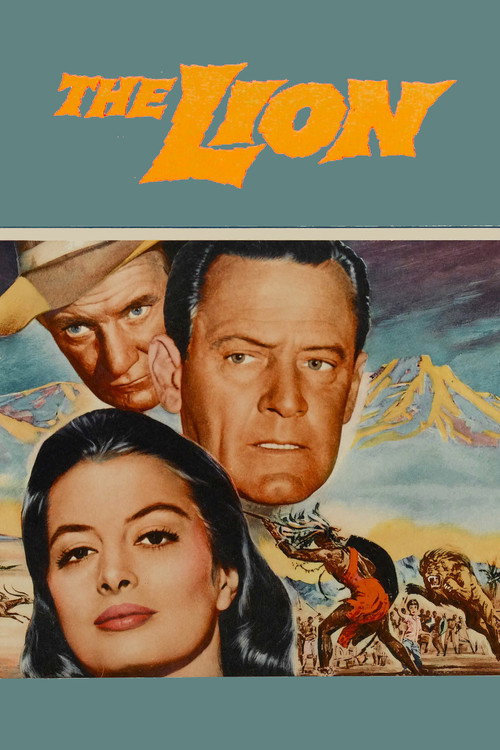
The Lion serves as a character study that explores the tension between colonial social norms and primal instincts. It challenges the traditional colonial family structure by focusing on a protagonist who resists Western conditioning. However, the film remains constrained by its era, relying on conventional family structures and a colonial framework that limits the depth of ethnic and characters who reflect more than one aspect of diversity. Ultimately, while the film subtly questions social behavior, it lacks significant diversity in LGBTQ+ and disability representation, resulting in a modest overall score.
Category Breakdown
The film does not include any LGBTQ+ characters or non-cisgender identities. Relationships and dynamics are based solely on traditional family and romantic structures.
Female characters play a key role in driving the main conflict through a complex maternal relationship. However, the protagonist is frequently portrayed as emotionally unstable rather than strong and decisive.
The African setting showcases diverse ethnic groups. However, the narrative retains a colonial viewpoint that limits the influence and independence of non-white characters.
The story critiques the impact of Western civilization on the natural world. It questions strict social norms by highlighting the protagonist's wild instincts as a focal point of conflict.
The film does not feature any visible or invisible disabilities or neurodivergence.
Present on Screen
Limited or Absent
Official Synopsis
Young Tina lives with her mother and stepfather on a wildlife reserve in Kenya. While her stepfather believes this is a wonderful environment for her to grow up in, her mother becomes increasingly concerned by her behaviour. These concerns are reinforced when it is revealed that her daughter's best friend in the whole world is a fully grown lion. Worried that her daughter may be turning into a savage, she sends for her former husband, Tina's biological father, in the hope that he can take her back to civilization (in this case rural Connecticut). But it seems as though Tina's mother wants something more than a civilized upbringing for her daughter.
1979
1966
2006
1942
1996
1946
2016
2018
No reviews yet. Be the first to share your thoughts on this movie!
Use the rating form above to leave a star rating and optional review.