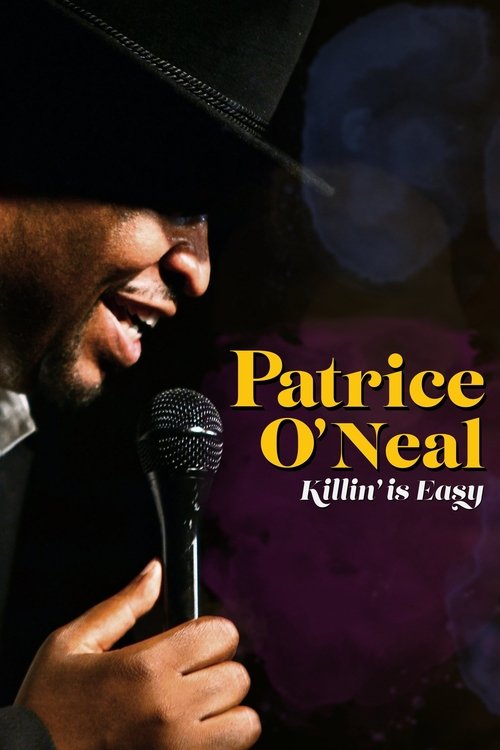
Patrice O'Neal: Killing Is Easy
2021
No user ratings available yet
Representation score: 5.7 out of 10

Representation Score
Fair
1994
TV-14Director
Ross Guidici, Foster V. Corder
Runtime
60 minutes
Average Rating
No ratings yetNew Showbiz Analysis
The documentary centers on Rudy Ray Moore’s career, from his early music days to the creation of Dolemite. Moore speaks directly to the camera, recounting his experiences with record labels and the film industry. He discusses being a Black artist in a white-dominated market, noting that he was "hid behind singers like Pat Boone and other white singers." The film includes archival footage of his performances and interviews with collaborators like LaWanda Page and John Landis. The narrative is a straightforward retrospective. Moore describes his self-made path, including working at a record store and distributing his own albums. He addresses the racial dynamics of the 1970s music industry, asserting that his success came despite systemic barriers. The tone is candid and informal, with Moore using explicit language to describe his music and persona. The film does not address LGBTQ+ issues, disability, or complex family dynamics. It focuses on Moore’s professional journey and his impact on Black comedy. The representation is rooted in the specific historical context of 1970s Black entertainment, with Moore as the primary voice and authority.
Category Breakdown
No LGBTQ+ characters, relationships, or identities appear on screen. The narrative focuses entirely on Moore’s professional career and personal anecdotes. No discussion of sexual orientation or gender identity occurs in the interviews or archival footage.
Moore dominates the narrative as the primary voice and authority. Women appear only as interviewees or in archival clips. The film does not explore complex family dynamics or female perspectives beyond brief mentions.
Moore explicitly discusses his Black identity and industry barriers. He describes navigating white-dominated radio and record labels. The film centers on his experiences as a Black artist in the 1970s music industry.
Faith and family structures are mentioned briefly but not explored as central themes. The cultural focus remains on 1970s Black entertainment and the blaxploitation era. Moore’s specific historical context drives the narrative.
No characters with disabilities are shown on screen. Physical ailments are not a plot point or discussion topic. The documentary focuses on professional struggles and creative achievements rather than health issues.
Present on Screen
Limited or Absent
Official Synopsis
Rudy Ray Moore tells all as only he can in this all-new retrospective legendary career. From his humble beginnings to his crowning as "King of the Party Records," Rudy Ray guides us through his struggles and triumphs in the film and music industries.
2021
2005
2012
2018
2025
2003
2019
2021
No reviews yet. Be the first to share your thoughts on this movie!
Use the rating form above to leave a star rating and optional review.