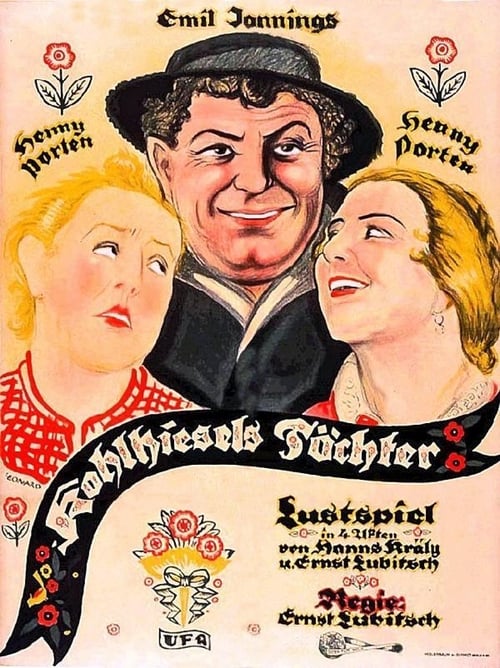
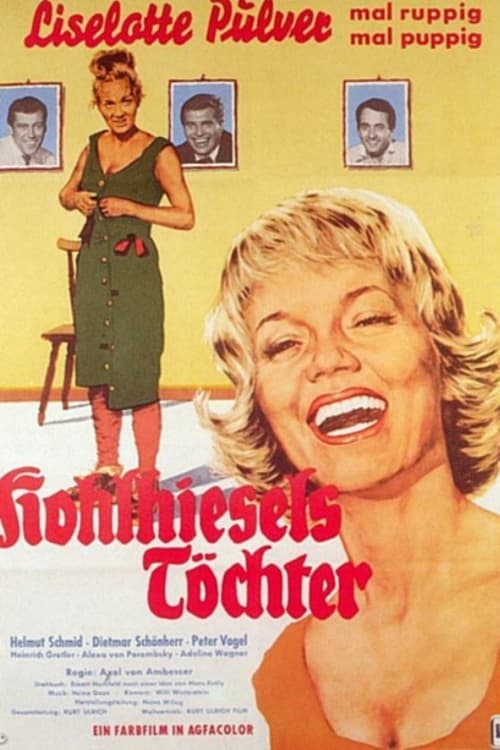
Kohlhiesel's Daughters
1920
No user ratings available yet
Representation score: 1.1 out of 10
Representation Score
Minimal
1962
Director
Axel von Ambesser
Runtime
96 minutes
Average Rating
No ratings yetNew Showbiz Analysis
Kohlhiesel's Daughters is a traditional musical comedy that reinforces the social hierarchies of its era. The narrative is driven by patriarchal authority, as the father dictates the marital fates of his daughters. The film relies on established clichés of straight-centered romance and classical European storytelling, functioning as a preservation of folkloric traditions rather than a tool for social disruption. While the character Susi offers a slight departure from the 'ideal' woman, this deviation is used for comedic effect. The work lacks intentionality regarding characters who reflect more than one aspect of diversity or the subversion of gender norms.
Category Breakdown
The film operates within a strictly straight-centered framework, focusing entirely on traditional romantic pursuits and marriage between men and women.
Femininity is presented through rigid archetypes. While Susi deviates from the feminine ideal, her character serves as a comedic foil rather than an expression of ability to act.
The cast is ethnically homogeneous, reflecting the stylized, folkloric medieval German setting. There is no evidence of diverse characterizations or color-blind casting.
The narrative adheres to traditional Western social structures and hierarchies. It prioritizes familial expectations and conventional moral arcs typical of the period.
There are no depictions of physical or mental disabilities. Characters exist within the standard physical and mental parameters of the genre's archetypes.
Present on Screen
Limited or Absent
Official Synopsis
Landlord Kohlhiesl has two twin daughters that nevertheless couldn't be more different: Liesel is beautiful, feminine, sophisticated, educated and in love with a fellow, Toni, from back home. The other daughter, Susi, is clumsy, masculine, never left home and wants nothing to do with men. Liesel would dearly love to marry Tony, but her father refuses to allow the wedding until her sister Susi has found a husband first...
1920

1952

1977

1962
1954

1972

1947
1962
No reviews yet. Be the first to share your thoughts on this movie!
Use the rating form above to leave a star rating and optional review.