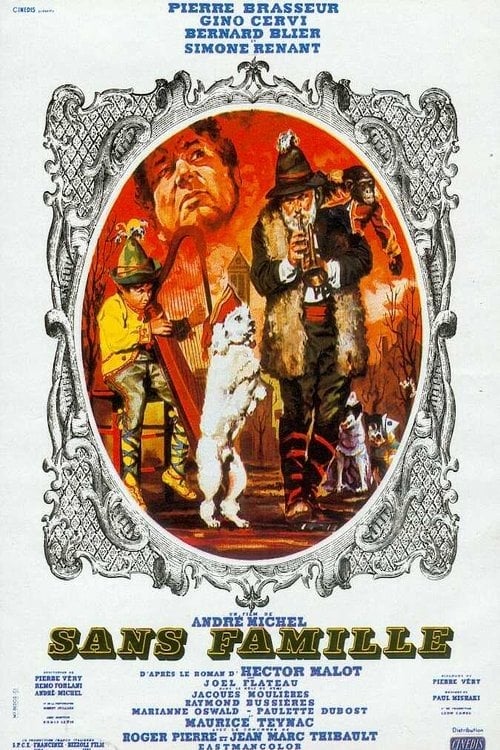
Sans famille
1958
No user ratings available yet
Representation score: 2.3 out of 10

Representation Score
Limited
1962
Director
Jaime Salvador
Runtime
90 minutes
Average Rating
No ratings yetNew Showbiz Analysis
Qué perra vida is a traditional 1962 comedy that prioritizes situational humor and class-based friction. The plot centers on the relationship between a wealthy man's dog and two underrepresented buskers, using these social differences for comedic effect. The film reflects the era's standard cinematic landscape, focusing on established genre clichés rather than deconstructing social hierarchies. It leans heavily into conventional domestic models and traditional social structures common to mid-century Spanish cinema. Ultimately, the production serves as a snapshot of its time, emphasizing class dynamics and family-oriented storytelling over progressive social commentary.
Category Breakdown
The film follows the strict social structures of 1962, assuming everyone is straight and cisgender. There is no evidence of diverse sexual orientations or gender identities.
The narrative likely follows traditional gender roles typical of mid-century family comedies. There is no indication of women taking a leading role or challenging traditional masculinity.
Casting likely reflects the demographic homogeneity of the 1960s Spanish film industry. While buskers introduce class variety, there is no evidence of multi-ethnic or diverse casting.
The story uses wealth disparity as a comedic device rather than a critical look at social issues. The family genre focus suggests an emphasis on traditional social cohesion and moral frameworks.
There is no documented evidence of characters with visible or invisible disabilities playing a central role in the plot.
Present on Screen
Limited or Absent
Official Synopsis
Rich man's dog makes friends with two ragged buskers; when his owner dies, there are zany complications.
1958
2000

1969

2005

1955

1999

1956
1931
No reviews yet. Be the first to share your thoughts on this movie!
Use the rating form above to leave a star rating and optional review.