First Dog
2010
No user ratings available yet
Representation score: 1.9 out of 10
Representation Score
Minimal
1999
GDirector
Philip Spink
Runtime
88 minutes
Average Rating
No ratings yetNew Showbiz Analysis
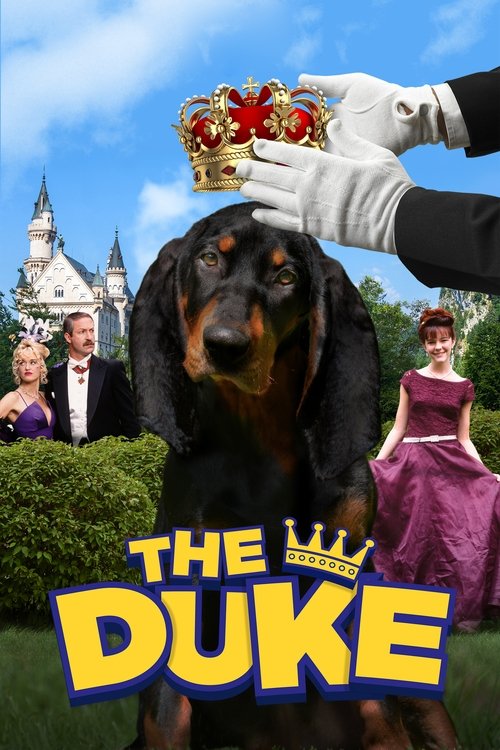
The Duke is a traditional family comedy that relies on established genre conventions. It centers on a whimsical inheritance cliché where a dog inherits a Scottish estate, emphasizing a classic moral framework over social exploration. The narrative adheres to conventional social and cultural hierarchies. It lacks intentionality regarding characters who reflect more than one aspect of diversity, focusing instead on protecting an innocent animal from greedy human relatives. Ultimately, the film serves as a standard comedic fable. It does not attempt to subvert power dynamics or engage with progressive social themes, remaining rooted in a mid-century British estate setting.
Category Breakdown
The film does not include any LGBTQ+ characters or storylines. It follows a traditional social structure without exploring diverse gender identities.
Charlotte plays a role as the dog's guardian, but the main conflict revolves around male relatives. The film operates within standard comedic hierarchies.
The setting is predominantly Anglo-Saxon, with no evidence of racial blending or intentional characters who reflect more than one aspect of diversity.
The story upholds Western concepts of landed gentry and inheritance. It functions as a conventional moral fable without critiquing Western institutions.
There are no characters with visible or invisible disabilities. The cast appears to operate within typical able-bodied norms.
Present on Screen
Limited or Absent
Official Synopsis
When his nephew tries to wrest control of his estate from him, the Duke of Dingwall removes the boy from his will and leaves everything to his dog.
2010
1966
2020

1993
2016

2002
2004
2006
No reviews yet. Be the first to share your thoughts on this movie!
Use the rating form above to leave a star rating and optional review.