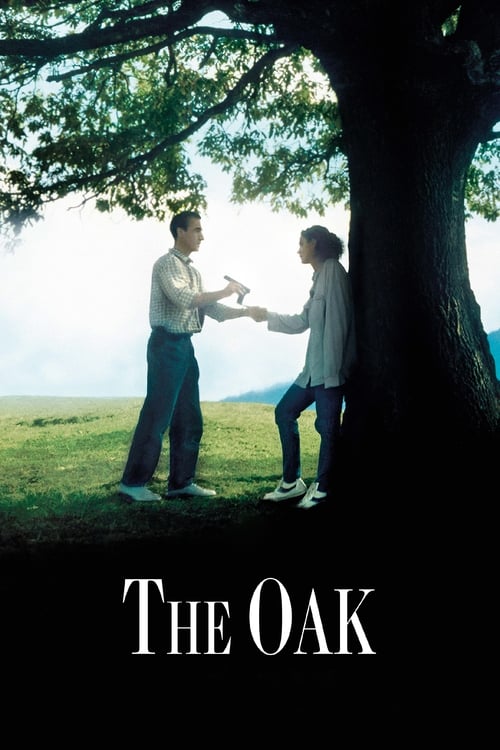
The Oak
1992
No user ratings available yet
Representation score: 7.6 out of 10

Representation Score
Good
2002
Director
Lucian Pintilie
Runtime
76 minutes
Average Rating
No ratings yetNew Showbiz Analysis
Lucian Pintilie’s film prioritizes the deconstruction of systemic power and institutional corruption over broad demographic representation. It serves as a deep intellectual exploration of post-communist Romania, focusing on the psychological impacts of totalitarianism. While the film does not emphasize multi-layered casting, it offers significant progressive value through its critique of authority. By embracing moral relativism and the complexity of historical guilt, it challenges singular, state-sanctioned morality. Ultimately, the film's strength lies in its narrative structure and its examination of how power operates during political transitions, rather than in its portrayal of diverse identity groups.
Category Breakdown
The film does not include explicit LGBTQ+ characters or narratives. It focuses on the historical and psychological examination of political transitions and trauma.
The story centers on the relationship between a journalist and a former state official. Although gender hierarchies are not directly challenged, the film's focus on bureaucratic absurdity disrupts traditional social roles.
As a Romanian production, the cast reflects the specific ethnic makeup of the region. The film emphasizes the study of national identity and regional political history rather than racial diversity.
The film stands out by critiquing institutional stability and persistent corruption. It offers a complex, postmodern look at historical memory and subjective truth.
There are no characters with disabilities featured prominently in the plot. The storyline focuses on psychological states and the social impact of a regime's legacy.
Present on Screen
Limited or Absent
Official Synopsis
A young journalist interviews a man who was a torturer during the early days of the communist regime in Romania.
1992

2006

1999

2023

2003

1969
2003

1978
No reviews yet. Be the first to share your thoughts on this movie!
Use the rating form above to leave a star rating and optional review.