
Mata Hari
1931
No user ratings available yet
Representation score: 3.5 out of 10

Representation Score
Fair
2003
Director
Alain Tasma
Runtime
105 minutes
Average Rating
No ratings yetNew Showbiz Analysis
The film's strength lies in its focus on a female protagonist who challenges traditional gender hierarchies. By centering on Mata Hari's role within wartime geopolitics, the story moves beyond domestic clichés. However, the film's impact is limited by its historical context. The reliance on the 'exotic dancer' archetype risks reinforcing cultural stereotypes rather than subverting them through diverse casting. Ultimately, the production sits in a middle ground. It offers a progressive look at female autonomy but lacks explicit evidence of LGBTQ+ representation or multi-layered depth.
Category Breakdown
The film has potential for themes that go beyond the assumption that everyone is straight or cisgender, thanks to the protagonist's persona. However, there is no explicit confirmation of same-sex relationships or specific LGBTQ+ identities.
The story focuses on a woman navigating male-dominated political spheres. By emphasizing her intellect and bodily autonomy, the film challenges the conventional expectation of female passivity.
The role of an exotic dancer carries complex implications regarding cultural stereotypes. It remains unclear if the film engages in meaningful representation or follows period-typical clichés of racial exoticization.
Set during the First World War, the story pits a woman against Western state institutions. This framework may critique the systemic failures and corruption of wartime authority.
There is no evidence that disability, neurodivergence, or chronic illness are central to the narrative or character arcs.
Present on Screen
Limited or Absent
Official Synopsis
The Dutch exotic dancer Mata Hari is accused of spying for Germany during the First World War.
1931

1952
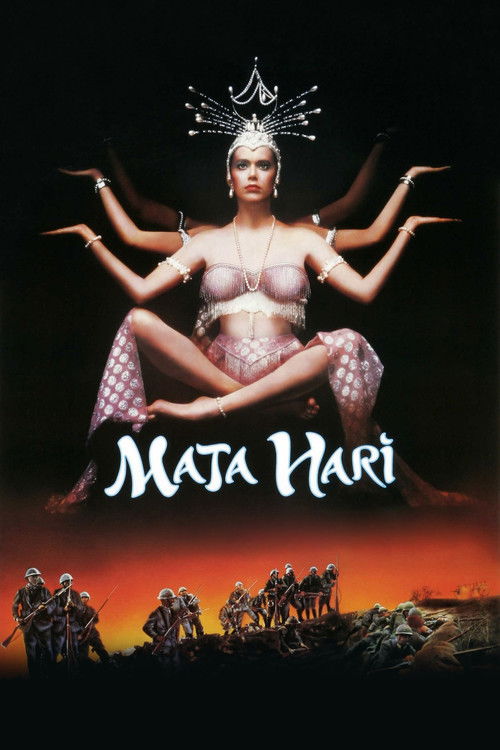
1985
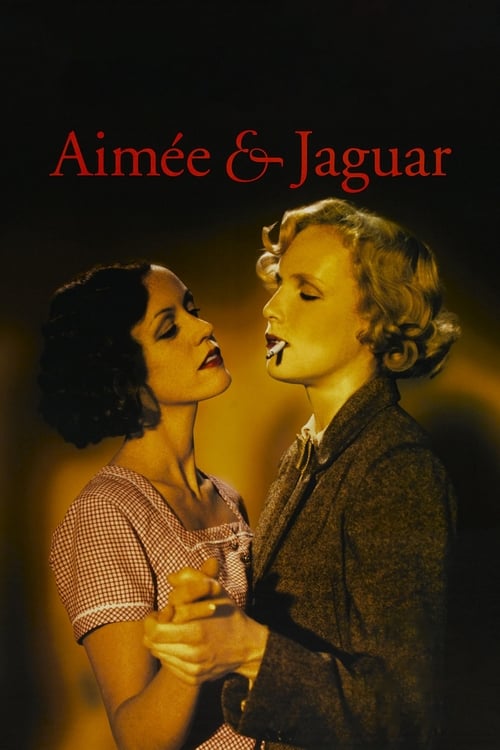
1999

1937

1954
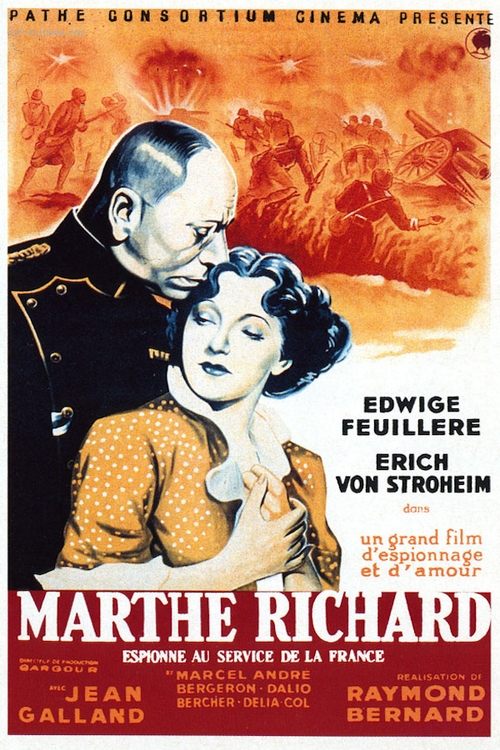
1937
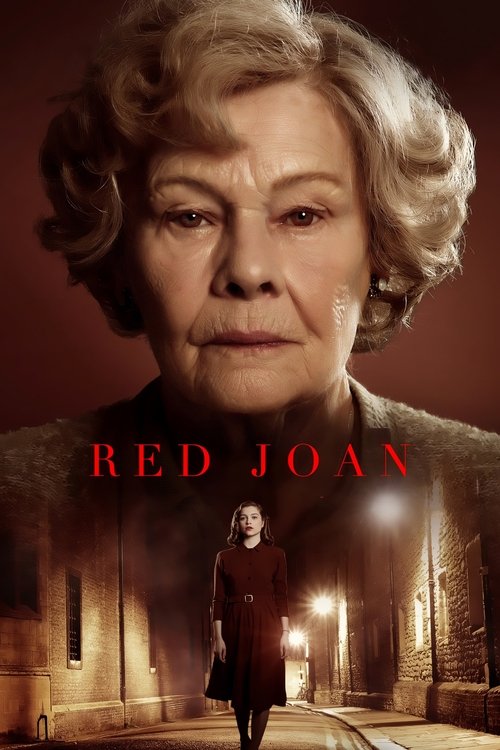
2018
No reviews yet. Be the first to share your thoughts on this movie!
Use the rating form above to leave a star rating and optional review.