
Second Hand Child
2004
No user ratings available yet
Representation score: 4.6 out of 10
Representation Score
Limited
2011
Not RatedDirector
Max Zähle
Runtime
24 minutes
Average Rating
No ratings yetNew Showbiz Analysis
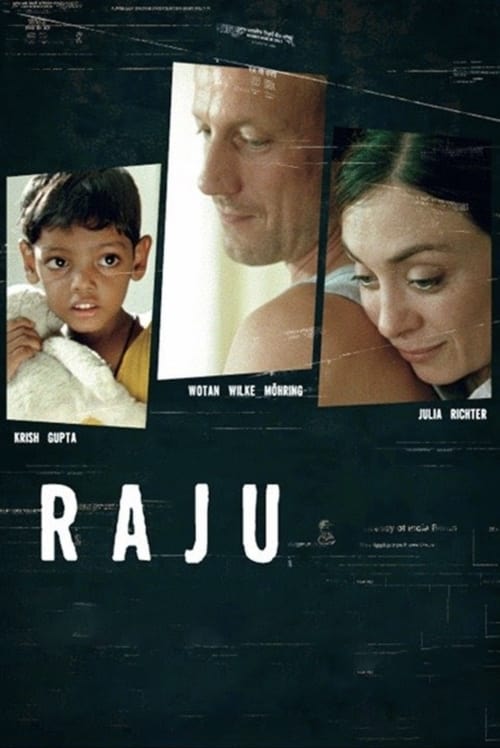
Raju moves beyond the typical 'savior' narrative in international adoption stories. Instead of a straightforward humanitarian tale, the film delves into the tensions between Western domesticity and Eastern social realities. Its strength lies in critiquing the protagonists' involvement in systemic issues. By centering an Indian child within a German family structure, the narrative breaks traditional Western homogeneity. This approach allows for a deeper exploration of post-colonial identity and the unintended consequences of globalized family structures. However, the film's scope is limited by its focus on a specific domestic partnership. While it tackles complex cultural themes, it lacks representation for LGBTQ+ identities or disability-related narratives.
Category Breakdown
The film does not include any characters or themes related to LGBTQ+ identities.
The story focuses on a German couple, suggesting a domestic partnership. The narrative shifts towards a more vulnerable portrayal of the characters, moving away from traditional patriarchal roles.
Placing an Indian orphan at the center of a Western family, the film disrupts domestic homogeneity. It explores the intersection of German and Indian identities, addressing racial displacement.
The film critiques Western interventionism and the morality of global adoption systems. It highlights the complexities of post-colonial dynamics, challenging Western-centric views of 'saving' others.
There is no information available regarding the representation of physical disabilities or neurodivergence in this work.
Present on Screen
Limited or Absent
Official Synopsis
A German couple adopts in Kolkata an Indian orphan. Their child suddenly disappears and they realize that they are part of the problem.
2004

2013

2005

2008
1983
1988

2012
2007
No reviews yet. Be the first to share your thoughts on this movie!
Use the rating form above to leave a star rating and optional review.