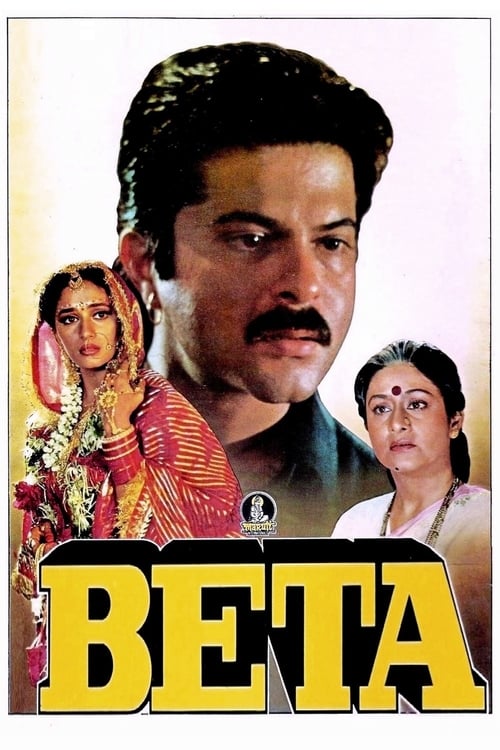
Beta
1992
No user ratings available yet
Representation score: 2.0 out of 10
Representation Score
Fair
1983
Not RatedDirector
Shekhar Kapur
Runtime
138 minutes
Average Rating
No ratings yetNew Showbiz Analysis
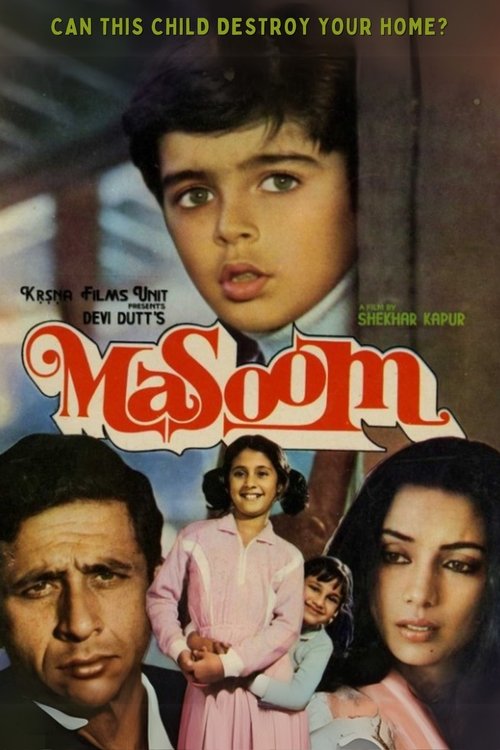
Masoom stands out for its departure from the heightened melodrama typical of its era, opting instead for a domestic realist approach. It skillfully deconstructs the sanctity of the traditional family by examining the consequences of infidelity and illegitimate children without resorting to caricature. The film excels in its nuanced handling of taboo subjects and character's ability to drive the story. By avoiding binary moralism, it offers a sophisticated look at how personal truths disrupt established social hierarchies. However, the film remains confined by the social values of its time. It adheres to a straight-centered structure and does not actively challenge broader patriarchal or Westernized social frameworks.
Category Breakdown
The film focuses solely on heterosexual relationships and does not depict any non-cisgender identities or same-sex dynamics.
The narrative centers on the emotional journey and inner conflicts of the female protagonist. It examines the psychological impact of maintaining domestic stability during a crisis of truth.
The film showcases an authentic Indian cast that reflects the socioeconomic realities of the 1980s middle class. It avoids Westernized or homogenized portrayals, emphasizing cultural authenticity.
The story prioritizes situational ethics over strict religious or social rules. It frames domestic scandals through human vulnerability rather than pure villainy.
There are no prominent depictions of physical or neurodivergent disabilities within the central narrative arc.
Present on Screen
Limited or Absent
Official Synopsis
A loving husband and father's joyful family life is rocked to its core upon the discovery that he has a young son borne from a past extramarital affair.
1992
2003
2010

1999

2017
1995
1990
2004
No reviews yet. Be the first to share your thoughts on this movie!
Use the rating form above to leave a star rating and optional review.