
Hell Dogs
2022
No user ratings available yet
Representation score: 6.0 out of 10
Representation Score
Fair
2025
TV-MADirector
Seiji Tanaka
Runtime
106 minutes
Average Rating
No ratings yetNew Showbiz Analysis
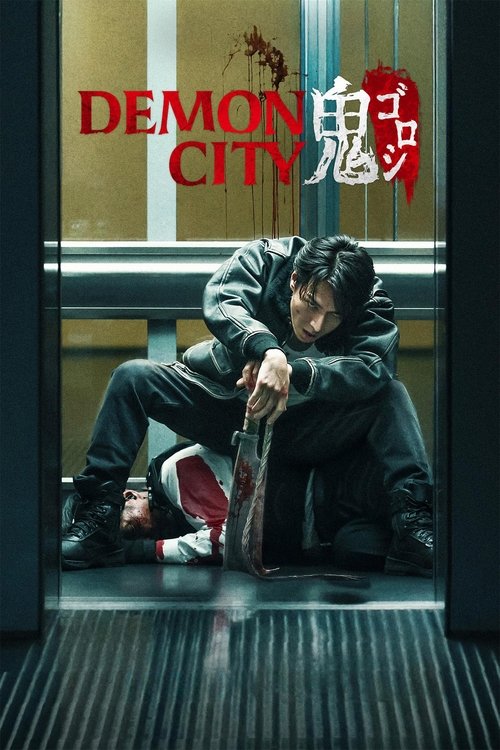
Demon City adheres to traditional Shonen-style action clichés, prioritizing hyper-masculine revenge over systemic critique. Its diversity score reflects a lack of progressive subversions, maintaining conventional narrative structures regarding gender and race. The work is culturally specific but does not actively challenge demographic norms. The narrative structure centers on individual ability to act and violent retribution. Female characters remain in supporting roles without disrupting the gender hierarchy. The homogeneous cast reflects the source material’s reality without intentional diversity boosts, resulting in a moderate overall score. While the film avoids harmful stereotypes, it lacks storytelling that reflects multiple aspects of identity. The absence of LGBTQ+ and disability representation places it in the lower tiers for those categories. The result is a genre-specific thriller that stands within conventional boundaries rather than expanding them.
Category Breakdown
The film focuses on familial bonds and violent justice, with no LGBTQ+ characters or non-cisgender identities appearing. The absence of queer representation reflects a lack of intentional inclusion rather than hostility.
The film follows a traditional gender hierarchy. The protagonist embodies a stoic masculine ideal, while female characters occupy supporting roles. The narrative reinforces traditional masculine roles without challenging conventional femininity or gender expectations.
The cast is predominantly Japanese, reflecting the source material’s demographic reality. The film does not engage in color-blind casting or mix races to challenge historical norms. This homogeneous representation aligns with the story’s cultural context.
Grounded in Japanese urban fantasy and yakuza themes, the film avoids Western-centric dialogue. The conflict revolves around personal revenge rather than political critique. It does not frame institutions as oppressive or promote moral relativism within its genre logic.
There is no evident focus on visible or invisible disabilities or neurodivergence. The protagonist’s trauma drives the plot but does not constitute disability representation. The film lacks meaningful ability to act for characters with disabilities, reflecting a lack of intentional inclusion.
Present on Screen
Limited or Absent
Official Synopsis
Framed for his family's murder and left for dead, an ex-hitman will stop at nothing to exact revenge on the masked "demons" who have taken over his city.
2022
2017
2003
1988
2010
1996
2004
1994
No reviews yet. Be the first to share your thoughts on this movie!
Use the rating form above to leave a star rating and optional review.