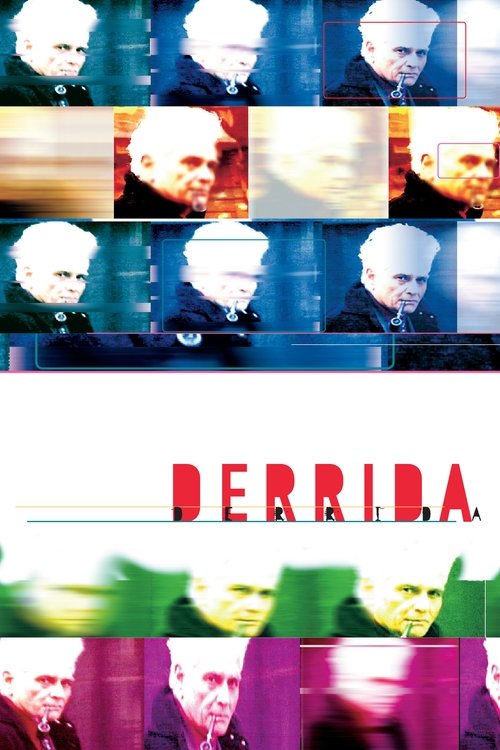
Derrida
2002
No user ratings available yet
Representation score: 6.2 out of 10
Representation Score
Fair
1999
Director
Safaa Fathy
Runtime
68 minutes
Average Rating
No ratings yetNew Showbiz Analysis
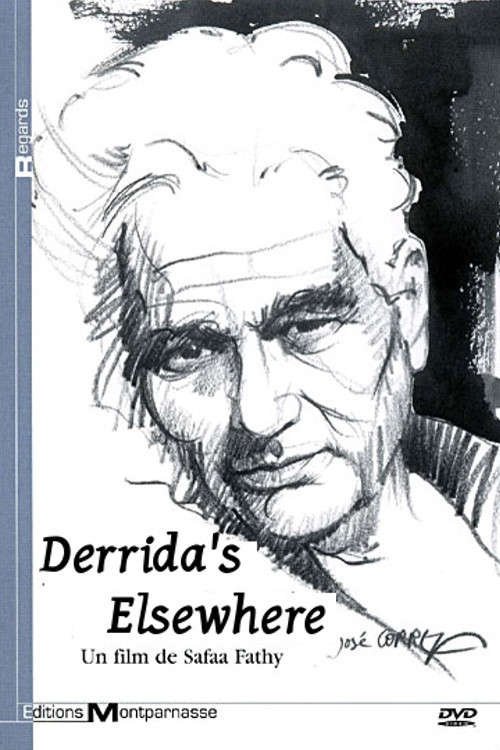
Derrida's Elsewhere is an intellectually progressive work that challenges traditional hierarchies through philosophical inquiry. It succeeds by centering on themes that destabilize institutional authority and absolute truths, particularly through its focus on deconstructionism. However, the film lacks explicit, character-driven diversity. The narrative is heavily anchored in Eurocentric intellectual history, which limits its racial and ethnic breadth. While the themes are inclusive of non-traditional identities, the lack of visible representation in the subject matter keeps the score moderate. Ultimately, the film offers a high level of cultural and theoretical depth. It trades overt social representation for a sophisticated critique of the structures that define identity and meaning.
Category Breakdown
The film engages with queer theories by focusing on the deconstruction of binary classifications. While specific depictions of intimacy are not detailed, the narrative prioritizes the deconstruction of traditional gender roles.
The film functions as an intellectual exploration rather than a character-driven subversion of gender hierarchies. However, the lens of deconstructionism provides a theoretical foundation for challenging stable definitions of gender.
The narrative focus on Western philosophical history suggests a framework that may prioritize Eurocentric intellectual traditions. The film centers on the life and ideas of a European philosopher.
The film excels by centering on deconstruction, which promotes moral relativism and questions absolute truths. It explores 'the elsewhere' to critique rigid, centralized structures of Western thought.
There is no evidence regarding the portrayal of physical or neurodivergent disabilities within the film's narrative.
Present on Screen
Limited or Absent
Official Synopsis
An exploration of the life and ideas of Jacques Derrida (1930-2004).
2002
1989
2010
2018
2014

2000

1996
1965
No reviews yet. Be the first to share your thoughts on this movie!
Use the rating form above to leave a star rating and optional review.