
Titli
2002
No user ratings available yet
Representation score: 8.1 out of 10
Representation Score
Good
1994
Not RatedDirector
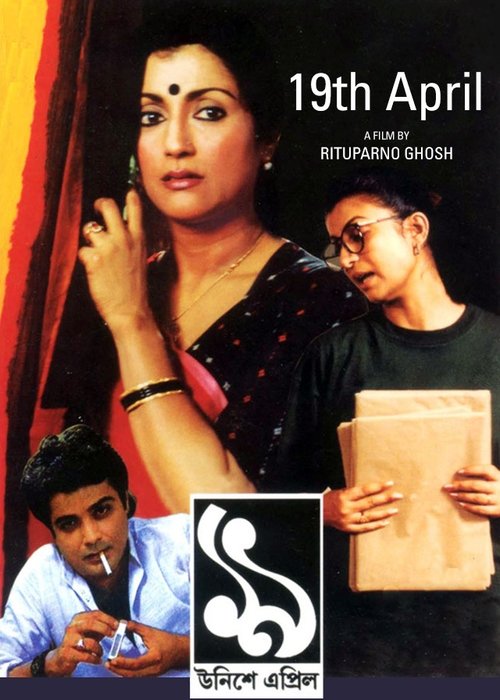
Rituparno Ghosh
Runtime
133 minutes
Average Rating
No ratings yetNew Showbiz Analysis
Rituparno Ghosh delivers a sophisticated psychological drama that centers on women's ability to drive the story and the complexities of ambition. The film excels by deconstructing the idealized maternal role, offering a realistic look at how professional success can strain domestic bonds. While the film provides deep regional authenticity and strong gender representation, it lacks explicit LGBTQ+ narratives or disability inclusion. The focus remains heavily on the internal emotional lives of its central characters. Ultimately, the work serves as a meaningful departure from mainstream cinema by prioritizing psychological realism and the subversion of traditional social structures.
Category Breakdown
The film explores emotional intimacy and unconventional human connections through subtle hints. It avoids explicit discussions of LGBTQ+ identities, focusing instead on the nuances of emotional fluidity.
The narrative centers on a woman's internal world and professional independence. By prioritizing a woman's perspective over male control, it successfully disrupts traditional patriarchal structures.
The film offers an authentic exploration of Bengali urban identity within Kolkata. It avoids homogenized storytelling by grounding the drama in specific regional life.
The story prioritizes individual emotional truth over strict religious or institutional rules. It critiques traditional family structures by showing them as sites of complex negotiation.
There is no significant evidence regarding the portrayal of physical or neurodivergent disabilities in this work.
Present on Screen
Limited or Absent
Official Synopsis
A female dancer becomes famous but loses her relationship with her daughter on the way.
2002

1963

2000

2004

2009
2003

2000

2005
No reviews yet. Be the first to share your thoughts on this movie!
Use the rating form above to leave a star rating and optional review.