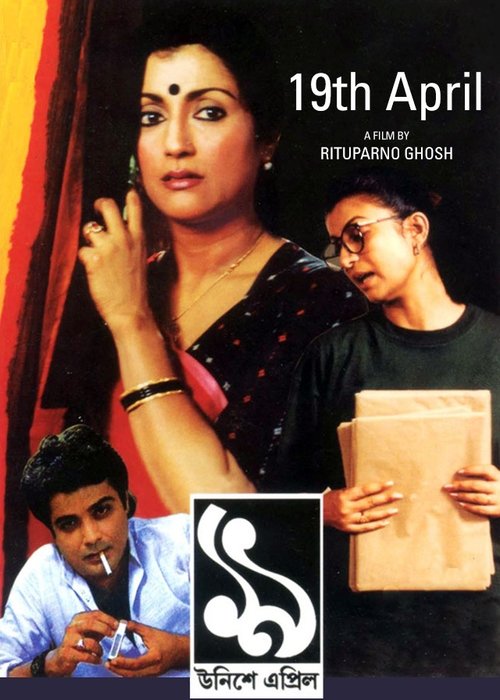
Unishe April
1994
No user ratings available yet
Representation score: 6.1 out of 10
Representation Score
Excellent
2002
Director
Rituparno Ghosh
Runtime
103 minutes
Average Rating
No ratings yetNew Showbiz Analysis
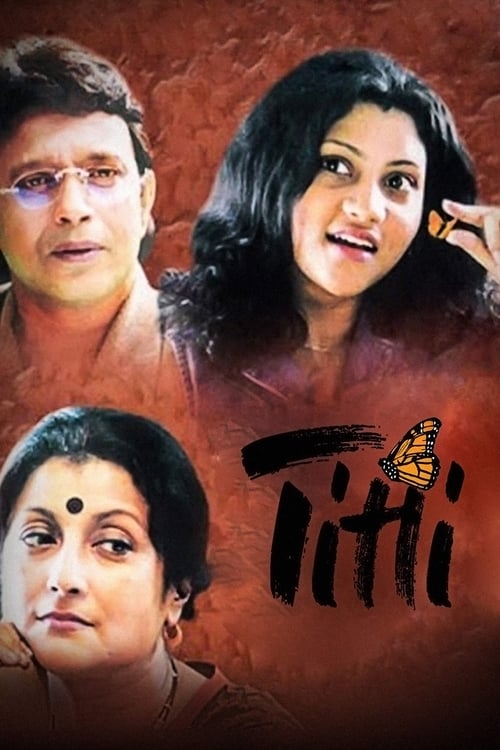
Rituparno Ghosh’s *Titli* is a sophisticated psychological drama that deconstructs the traditional Bengali middle-class family. By centering the internal landscapes of its female protagonists, the film challenges conventional domestic clichés and explores the complexities of female subjectivity. The film's strength lies in its subversion of gender hierarchies and its commitment to ethnic specificity. It avoids homogenized casting, instead providing a culturally grounded experience that prioritizes the emotional labor and autonomy of women. However, the narrative lacks representation for LGBTQ+ identities and does not address physical or neurodivergent disabilities. While it critiques social structures, these specific demographic absences result in a moderate overall diversity score.
Category Breakdown
The film does not include explicit LGBTQ+ characters or central stories focused on queer identities. Instead, it centers on the heterosexual domestic struggles of its main characters.
The narrative highlights the psychological autonomy of women, emphasizing their ability to act and experiences during marital separation. It challenges traditional gender hierarchies by focusing on the inner lives of its female characters.
The film provides an authentic portrayal of Bengali identity, avoiding Western casting standards and offering a culturally grounded narrative. It resists Anglo-centric norms and emphasizes the unique cultural context.
The story critiques traditional family structures through a postmodern lens, prioritizing individual psychological truth over strict adherence to social or religious codes.
There is no significant focus on physical or neurodivergent disabilities. The plot remains centered on the emotional and psychological states of the characters.
Present on Screen
Limited or Absent
Official Synopsis
A tender coming-of-age drama that explores the evolving dynamics between a mother and daughter against the serene backdrop of Darjeeling. The film beautifully captures themes of adolescence, longing, and the complexities of familial relationships, offering a heartfelt glimpse into the delicate threads that bind us.
1994

2019

2005
1963
2000

2005

2019
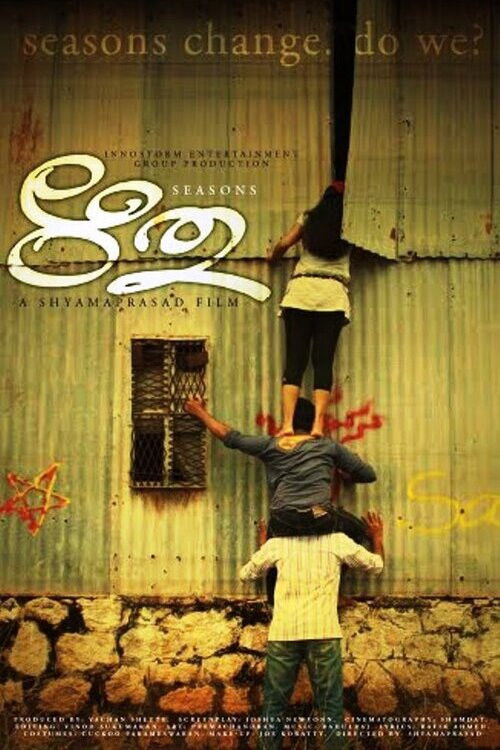
2009
No reviews yet. Be the first to share your thoughts on this movie!
Use the rating form above to leave a star rating and optional review.