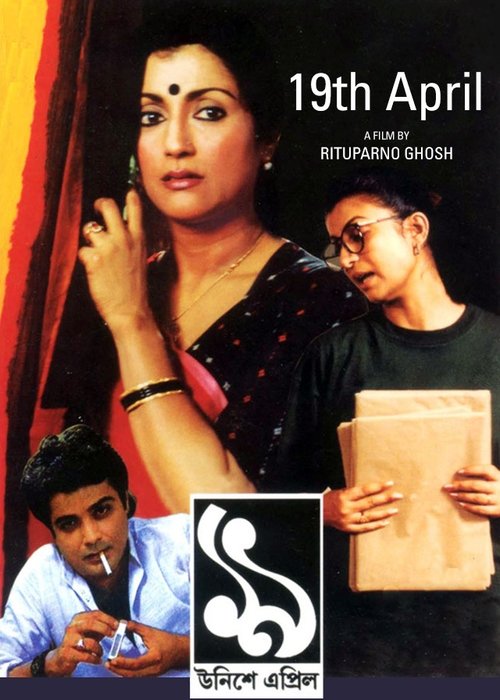
Unishe April
1994
No user ratings available yet
Representation score: 6.1 out of 10
Representation Score
Good
2000
Director
Aparna Sen
Runtime
130 minutes
Average Rating
No ratings yetNew Showbiz Analysis
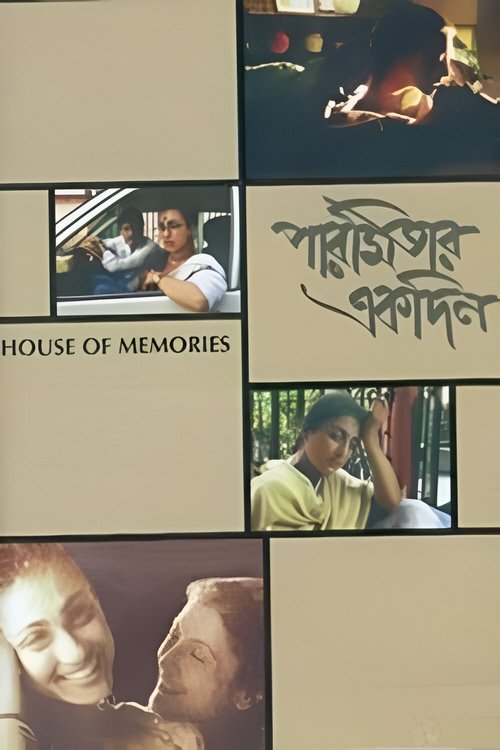
House of Memories is a nuanced exploration of female autonomy directed by Aparna Sen. The film effectively challenges traditional domestic roles by emphasizing the emotional lives and ability to act of women rather than male-driven narratives. The narrative strength lies in its examination of unconventional female relationships. By focusing on the bond between Sanaka and Paromita, the film shifts the focus from patriarchal lines to intricate interpersonal connections. While the film provides important South Asian representation, it lacks explicit LGBTQ+ content or disability representation. It remains a focused character study of women navigating traditional social structures.
Category Breakdown
The film focuses on heterosexual relationships and family bonds, with no clear depiction of LGBTQ+ identities or non-cisgender characters.
The movie emphasizes the role of women and their emotional intelligence. Paromita's decision to leave her failed marriage challenges traditional stereotypes of submissive women, highlighting female resilience and ability to act.
Set within Bengali cinema, the film offers a unique South Asian perspective. It avoids a Western-centric viewpoint by focusing on non-Western domestic life and emotional depth.
The story questions strict family traditions through Paromita's decision to leave her household. It prioritizes personal freedom and emotional authenticity over maintaining traditional social structures.
There is no indication of physical or neurodivergent disabilities being portrayed in this film.
Present on Screen
Limited or Absent
Official Synopsis
Sanaka and Paromita are mother and daughter-in-law who, despite differences in age, backgrounds and temperaments, build a strong bond together. However when Paromita has a failed marriage and leaves the house, Sanaka is heartbroken.
1994
2003

1981

2012

2011

2005
2000

2004
No reviews yet. Be the first to share your thoughts on this movie!
Use the rating form above to leave a star rating and optional review.