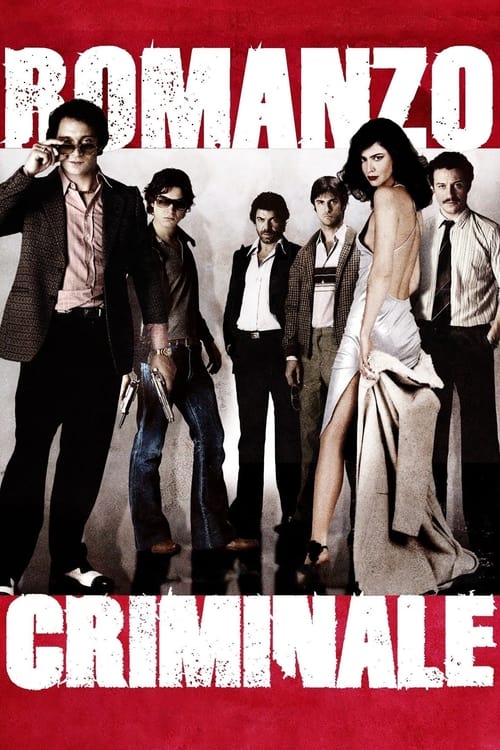
Romanzo Criminale
2005
No user ratings available yet
Representation score: 4.8 out of 10

Representation Score
Fair
2013
TV-PGDirector
Guido Lombardi
Runtime
93 minutes
Average Rating
No ratings yetNew Showbiz Analysis
Take Five is a localized character study that prioritizes social realism over diverse representation. It succeeds in portraying the ability to act of socio-economically underrepresented individuals living on the periphery of society. However, the film's narrow focus on a male-dominated criminal underworld results in a significant lack of gender and LGBTQ+ representation. The narrative structure reinforces traditional masculine social structures. Ultimately, the film's value lies in its critique of institutional power and its depiction of the Mediterranean underclass, rather than its diversity of identity.
Category Breakdown
The film does not include explicit LGBTQ+ characters or non-cisgender identities. The story revolves around a traditional, male-dominated criminal group without any queer undertones.
The story focuses heavily on a male-centric group. The plot centers on the interactions between five men, leaving female characters without much influence or control in the heist.
The cast is ethnically uniform within a Mediterranean setting. However, it offers depth to the working-class identity and the unique culture of Naples' Spanish Quarter.
The film critiques institutional stability by focusing on a heist against the Bank of Naples. It portrays established legal and economic systems as oppressive forces for the protagonists.
The character Peppe is described as depressed, though it is unclear if this represents a chronic mental health issue. Most characters are defined by their professional roles.
Present on Screen
Limited or Absent
Official Synopsis
Carmine, a sewer worker for the city of Naples, finds himself working in the vault of the Bank of Naples one morning, and he gets the idea to pull off a robbery using the sewer system. To pull off the heist, he enlists the help of Gaetano, a former robber with several years in prison; the depressed Peppe "'o' Sciomen," a legend of the Spanish Quarter and also a former prisoner for robbery; the boxer Ruocco, a former professional who ended up fighting in clandestine matches; and Striano, a photographer and robber. After completing the robbery, however, Gaetano disappears without a trace with the million-dollar loot, leaving his accomplices locked in their lair, hoping to see him reappear. As time passes, strong tensions build between the four, bringing out old misunderstandings and fracturing alliances, until a new threat looms on the horizon: the powerful boss Jannone demands a share of the loot they don't yet have.
2005

1955
2018
1954
1995

1950
1994

1974
No reviews yet. Be the first to share your thoughts on this movie!
Use the rating form above to leave a star rating and optional review.