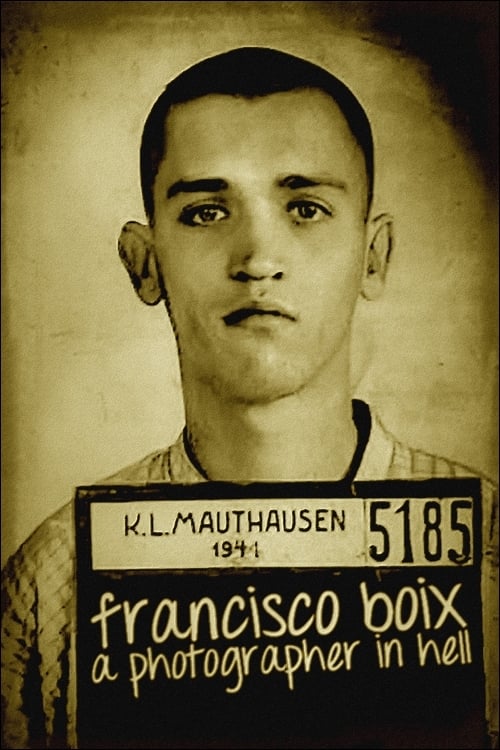
Francisco Boix: A Photographer in Hell
2000
No user ratings available yet
Representation score: 7.1 out of 10
Representation Score
Excellent
2021
Director
Barbara Necek
Runtime
53 minutes
Average Rating
No ratings yetNew Showbiz Analysis
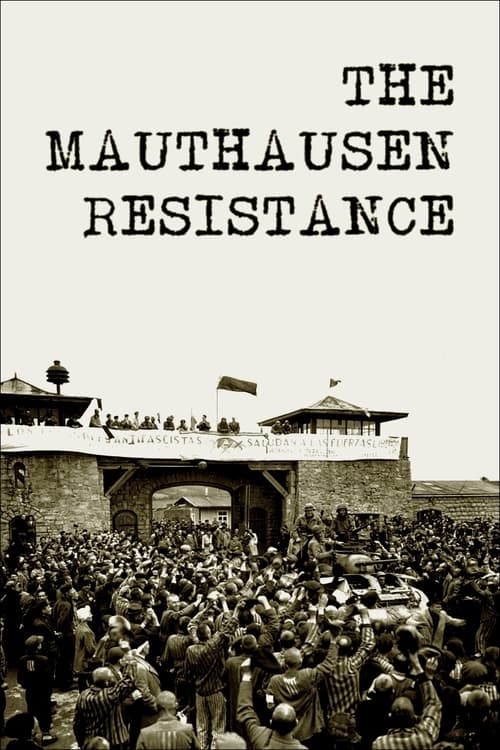
The Mauthausen Resistance serves as a vital piece of historical revisionism. By centering Spanish Republican prisoners, the film shifts from military history to a narrative of systemic resistance and the reclamation of truth through documentation. The work challenges traditional Western-centric hierarchies by emphasizing the collective struggle of underrepresented political groups against an oppressive state. It successfully deconstructs monolithic views of the conflict. However, the film's focus on political resistance means specific representations of LGBTQ+ identities and disability advocacy are not explicitly addressed.
Category Breakdown
The film does not explicitly mention LGBTQ+ identities or narratives. The focus remains on the survival of political prisoners within a historical setting.
The narrative centers on the collective resistance of prisoners against an oppressive regime. Francisco Boix is the primary figure, highlighting the importance of unity and shared struggle.
The documentary highlights the Spanish Republican experience, challenging traditional Anglo-centric WWII narratives. It offers a nuanced, international perspective on historical victimhood.
The film critiques totalitarianism by prioritizing the victims' truth over state records. It uses photographic preservation to reclaim history from dominant power structures.
While the concentration camp setting involves physical trauma, there is no specific evidence regarding neurodivergence or the roles of characters with disabilities.
Present on Screen
Limited or Absent
Official Synopsis
During World War II, the photographer Francisco Boix and other Spanish Republican prisoners of the Mauthausen concentration camp, where 120,000 people died, managed not only to survive their indescribable experience, but also, after the war, to reveal to the world what really happened in that hell, saving from destruction thousands of official photographs taken by the SS.
2000
1998

1983

2018

2022
2015

2022

2021
No reviews yet. Be the first to share your thoughts on this movie!
Use the rating form above to leave a star rating and optional review.