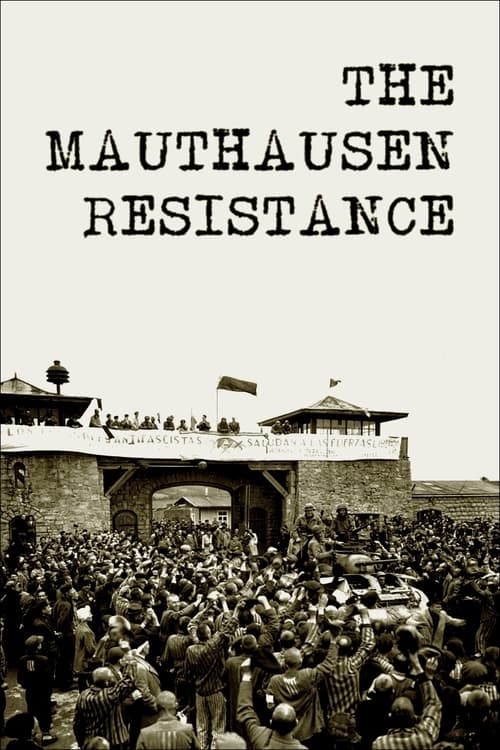
The Mauthausen Resistance
2021
No user ratings available yet
Representation score: 8.5 out of 10
Representation Score
Good
2000
Director
Llorenç Soler
Runtime
57 minutes
Average Rating
No ratings yetNew Showbiz Analysis
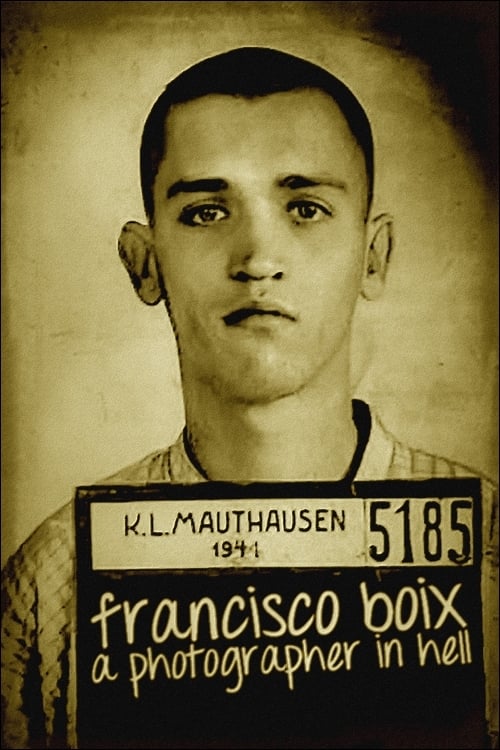
Francisco Boix: A Photographer in Hell is a powerful historical documentary. It uses photography to challenge official state narratives and reveal the systematic violence of the Nazi regime. The film effectively dismantles fascist authority and underscores the significance of documenting atrocities. It offers a nuanced perspective on how gender intersects with political victimization during the mid-20th century. However, the film lacks contemporary markers of diversity. It does not feature explicit LGBTQ+ representation or a multi-ethnic cast, staying focused on the specific demographics of the Spanish Republican experience.
Category Breakdown
The film does not include any LGBTQ+ characters or explore non-cisgender identities. It operates within a strict 1940s framework where queer individuals are not represented.
While focusing on a male protagonist, the film includes women's experiences within the concentration camp setting. It challenges traditional masculine roles by showing military authority as a source of fear.
The story centers on Spanish Republican and Austrian contexts. It critiques racialized dehumanization through the lens of political identity and nationality, rather than through a multi-ethnic cast.
The film deeply criticizes Western authoritarianism and fascist structures. It emphasizes historical accuracy by documenting systemic atrocities and the fight against nationalist dominance.
The narrative highlights the physical trauma and systemic degradation of prisoners' bodies. However, characters with disabilities do not have significant narrative roles in the film.
Present on Screen
Limited or Absent
Official Synopsis
In 1939, just finished the Spanish Civil War, Spanish republican photographer Francesc Boix escapes from Spain; but is captured by the Nazis in 1940 and imprisoned in the Mauthausen concentration camp, in Austria, a year later. There, he works as a prisoner in the SS Photographic Service, hiding, between 1943 and 1945, around 20,000 negatives that later will be presented as evidence during several trials conducted against Nazi war criminals after World War II.
2021
2018
1983
1998
2011

2022

2021
2006
No reviews yet. Be the first to share your thoughts on this movie!
Use the rating form above to leave a star rating and optional review.