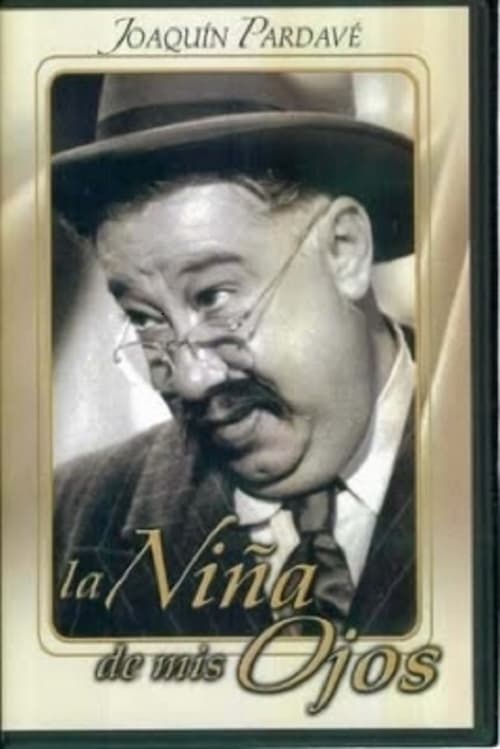
La niña de mis ojos
1947
No user ratings available yet
Representation score: 4.6 out of 10
No Poster Available
Representation Score
Fair
1939
ApprovedDirector
Fernando de Fuentes
Runtime
114 minutes
Average Rating
No ratings yetNew Showbiz Analysis
Papacito lindo is a product of the Golden Age of Mexican cinema, functioning as a traditional narrative that aligns with the social norms of the late 1930s. It lacks the layered representation expected in modern media, instead reinforcing the stability of its era. The film's structure favors established character types and traditional gender norms. Without evidence of diverse identities or challenged hierarchies, the work reflects pre-war nationalistic values rather than serving as a platform for social progress. Ultimately, the film's lack of representation across most categories results in a low diversity score, as it adheres strictly to the conventional frameworks of its time.
Category Breakdown
The film does not include any clear evidence of queer narratives or non-binary gender identities. It seems to follow the traditional heterosexual norms common in 1930s Mexican cinema.
The story likely follows traditional gender roles. There is no indication of women challenging male authority or taking intellectual leadership roles.
The film focuses on Latin American identities, fitting the nationalist style of its time. However, the cast appears to be ethnically uniform without the use of modern casting techniques to promote diversity.
The production highlights traditional Western and religious values. It emphasizes the stability of the nuclear family and religious institutions without questioning them.
There is no evidence of characters with visible or invisible disabilities. The film does not include representation in this area.
Present on Screen
Limited or Absent
1947
1936
1935
1954
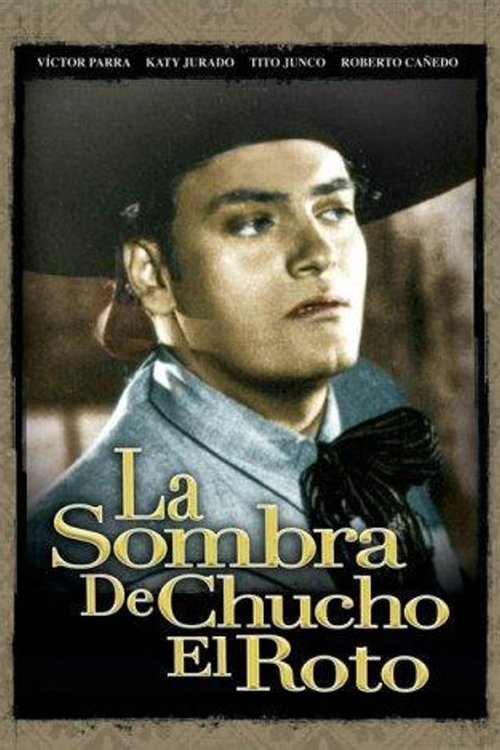
1945
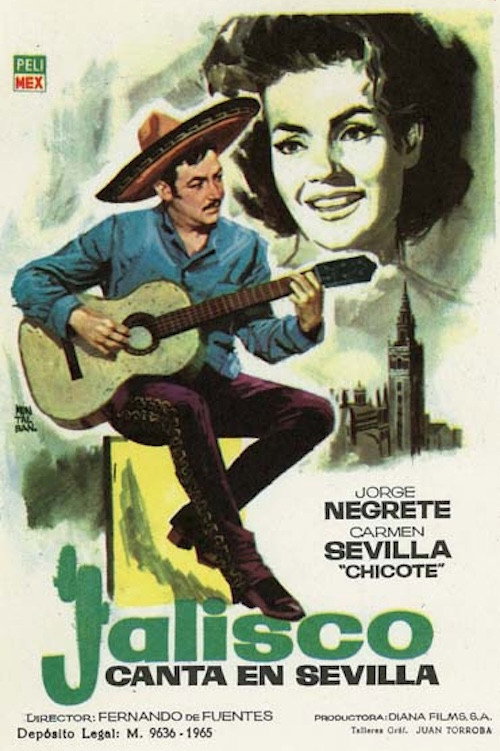
1949
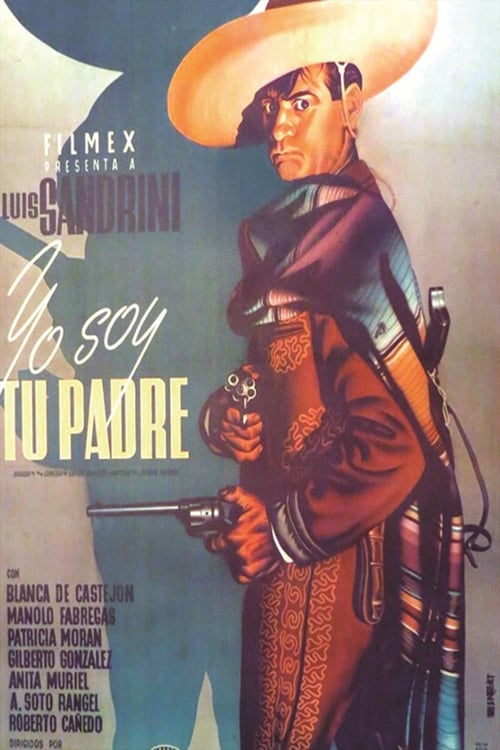
1948
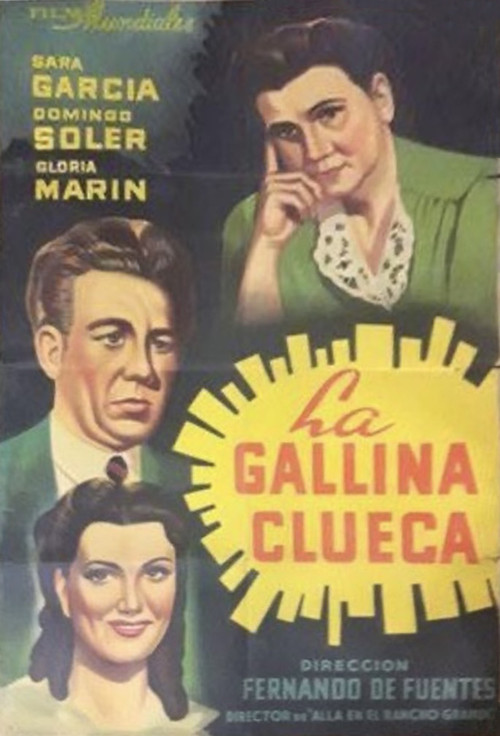
1941
No reviews yet. Be the first to share your thoughts on this movie!
Use the rating form above to leave a star rating and optional review.