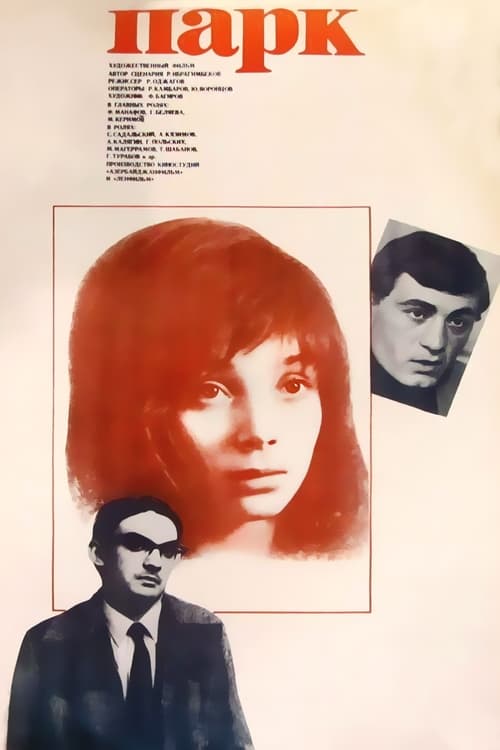
Park
1984
No user ratings available yet
Representation score: 4.0 out of 10
Representation Score
Limited
1983
Director
Albert Mkrtchyan
Runtime
80 minutes
Average Rating
No ratings yetNew Showbiz Analysis
The film follows the conventional social and gendered norms of 1980s Soviet cinema. While it centers on a female protagonist, her development is shaped by patriarchal structures and societal stability. Representation is constrained by the era's tendency towards demographic uniformity and adherence to traditional roles. The narrative prioritizes established hierarchies over diverse or subversive viewpoints. Overall, the film reflects the institutional values of its time, presenting a portrayal of life consistent with mid-20th-century social norms.
Category Breakdown
The film does not include any characters with non-binary gender identities or same-sex relationships. It focuses on a 'good girl' character within the traditional heterosexual norms of the time.
Luda is a central female character, but her role is heavily influenced by her father's guidance. Her position seems defined by traditional patriarchal structures and gender roles.
The setting suggests a homogeneous population typical of Soviet-era films. There is no indication of intentional racial diversity or varied ethnic backgrounds in the story.
The themes align with the institutional values of the time, emphasizing academic and professional achievements. The narrative upholds traditional family structures without challenging them.
The story does not address any characters dealing with physical, sensory, or neurological differences.
Present on Screen
Limited or Absent
Official Synopsis
A good girl, Luda, under the patronage of her father, works in a trade mission and studies in absentia at the Faculty of Economics of a Siberian university.
1984
1986
1956
1980
1982
1981

1967
1956
No reviews yet. Be the first to share your thoughts on this movie!
Use the rating form above to leave a star rating and optional review.