Adiós Buenos Aires
1938
No user ratings available yet
Representation score: 2.3 out of 10
Representation Score
Limited
1951
Director
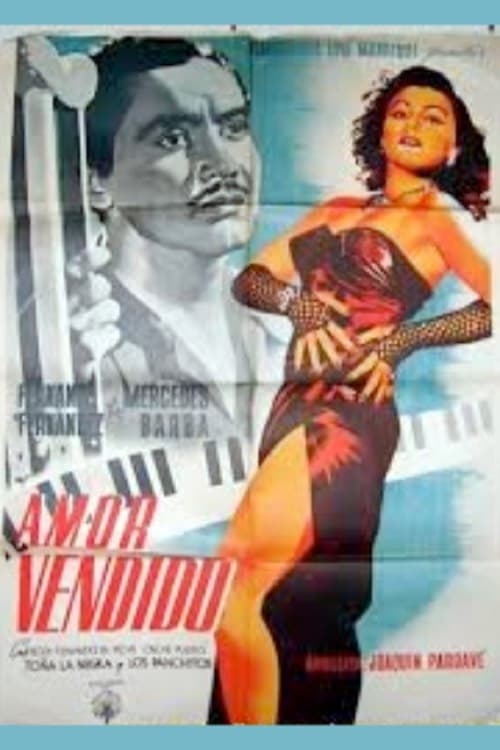
Joaquín Pardavé
Runtime
99 minutes
Average Rating
No ratings yetNew Showbiz Analysis
Love for Sale is a quintessential product of the Golden Age of Mexican cinema, reflecting the social hierarchies of its era. While it provides a platform for national identity, the storytelling remains rooted in conventional morality and traditional archetypes. The film's reliance on the 'bad girl' cliché and the use of a protagonist's disability suggest a narrative driven by sentimentality rather than progressive character development. It lacks the multi-layered complexity or systemic critique found in modern cinema. Ultimately, the work functions as a cultural time capsule, prioritizing established social roles and heterosexual norms over the subversion of systemic norms.
Category Breakdown
The film follows the heterosexual norms of 1951 Mexican musical cinema. There are no queer narratives or non-traditional gender identities.
The story relies on traditional gender stereotypes, particularly the 'bad girl' archetype. It reinforces binary views of femininity without challenging established gender hierarchies.
The film centers on Mexican identity through domestic casting. However, it operates within a homogeneous cultural framework typical of the Golden Age.
The narrative emphasizes established social values and traditional moral frameworks. It lacks themes of secularism or critiques of Western institutions.
A disabled songwriter serves as the protagonist. While disability is present, it may function as a sentimental plot device rather than a source of empowerment.
Present on Screen
Limited or Absent
Official Synopsis
Handicapped songwriter falls for bad girl. Again.
1938

1981
1946
1952
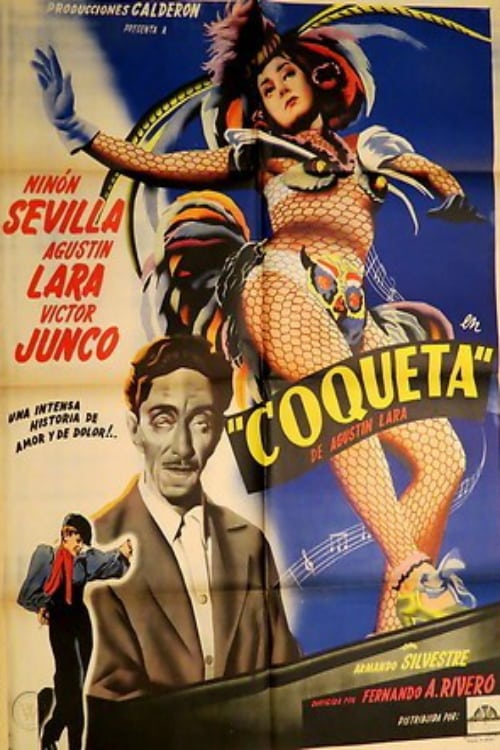
1949
1931
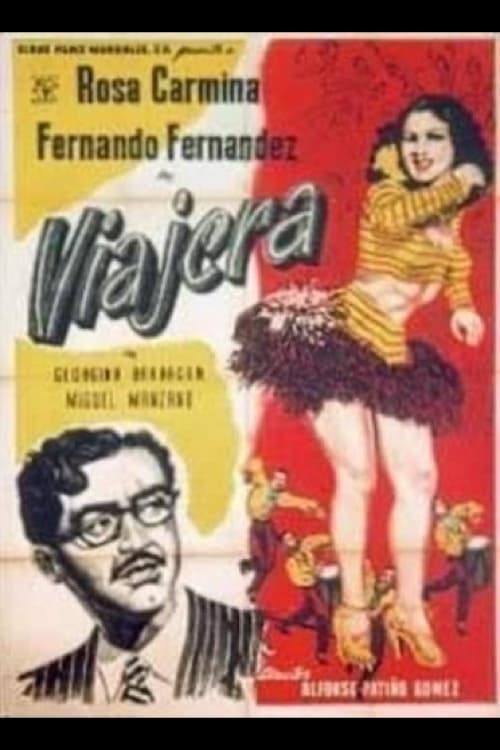
1952
1933
No reviews yet. Be the first to share your thoughts on this movie!
Use the rating form above to leave a star rating and optional review.