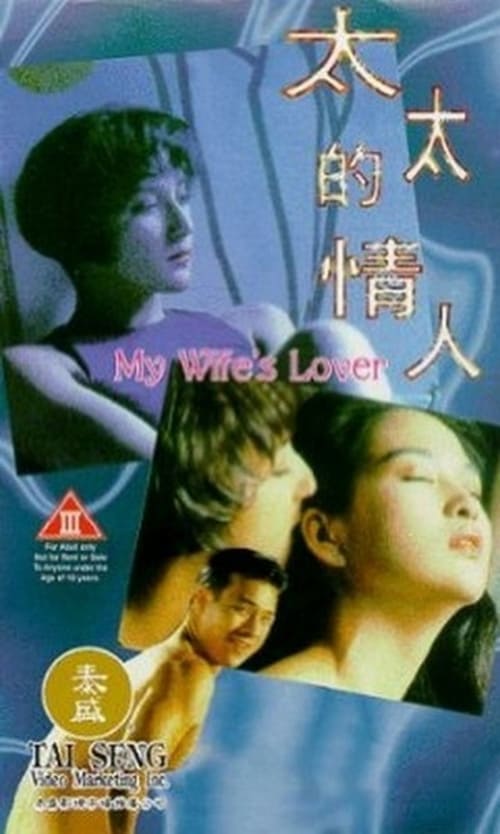
My Wife's Lover
1992
No user ratings available yet
Representation score: 6.0 out of 10
Representation Score
Fair
1986
Director
Ho Fan
Runtime
80 minutes
Average Rating
No ratings yetNew Showbiz Analysis
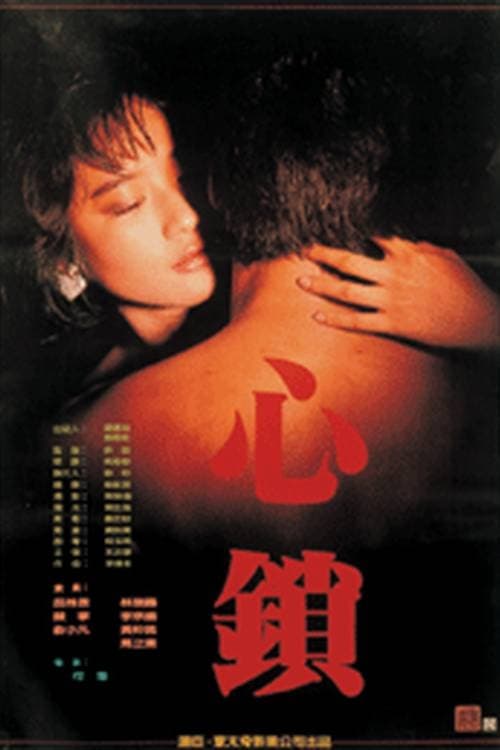
Desire serves as a character study of social climbing and moral relativism. It succeeds in subverting the cliché of the passive female lead by centering Daisy Ha's strategic actions and pursuit of vengeance. However, the film remains limited by its lack of explicit diversity. While it deconstructs romantic loyalty, it does not provide clear representation for LGBTQ+ identities or diverse ethnic groups. Ultimately, the film's strength lies in its psychological complexity rather than its demographic breadth, offering a nuanced look at how personal desire can dismantle traditional social structures.
Category Breakdown
The film examines relationships that challenge traditional family structures and disrupt conventional expectations. It does not explicitly confirm LGBTQ identities but focuses on questioning the sanctity of the nuclear family.
Daisy Ha is a central character who navigates social and sexual situations for personal gain. Female characters play active roles, moving away from submissive stereotypes towards more independent positions.
The film reflects the ethnic homogeneity typical of Hong Kong cinema during this period. It focuses on internal family dynamics rather than diverse ethnic representation.
The story questions traditional institutions by depicting marriage as a tool for social advancement. This approach challenges the stability of the traditional family unit through themes of revenge and shifting loyalties.
There are no visible or invisible disabilities portrayed within the narrative.
Present on Screen
Limited or Absent
Official Synopsis
Kong Ping has a half brother Kong Shek, a playboy, and another brother Kong Fai, who was adopted by her parents, and is an honest doctor, single. A couple of lover comes to the family Christmas party -- Fan Lin and Daisy Ha. Fan Lin maintains sexual relations with Daisy Ha, but marries Kong Ping, just for better future. As an avenger, Daisy Ha marries Kong Fai. Still, she maintains an affair with Fan Lin. Meanwhile, Kong Shek courts Daisy Ha constantly. The two gradually develop love between themselves.
1992
1958
1991

1950

2012

1986

2002
2008
No reviews yet. Be the first to share your thoughts on this movie!
Use the rating form above to leave a star rating and optional review.