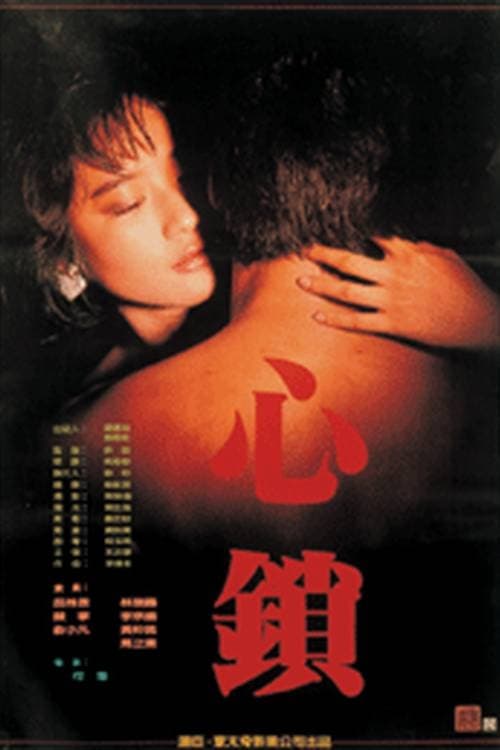
Desire
1986
No user ratings available yet
Representation score: 4.8 out of 10

Representation Score
Fair
1986
Director
Yonfan
Runtime
90 minutes
Average Rating
No ratings yetNew Showbiz Analysis
Yonfan’s film is a sophisticated study of aestheticism and romantic subjectivity. It succeeds by centering female experience and maintaining high levels of ethnic authenticity through its localized casting and setting. However, the film remains tied to traditional romantic archetypes and straight-centered structures. It prioritizes visual decadence and the fleeting nature of beauty over any meaningful deconstruction of social hierarchies or diverse identity representation. Ultimately, while the film offers a rich, culturally resonant portrait of 1930s Shanghai, its lack of subversive social critique or diverse identity representation limits its broader impact.
Category Breakdown
The film focuses on romantic relationships within 1930s Shanghai high society, but it lacks explicit LGBTQ+ identities. It explores a complex bond between Rose and her brother, though it doesn't label their relationship.
Rose serves as the narrative's emotional and social center, actively navigating various male figures and social landscapes. The film highlights her internal experiences and ability to act.
The production features a primarily Chinese cast that authentically reflects pre-war Shanghai. It avoids whitewashing by using a localized, culturally specific lens to depict the cosmopolitan elite.
The story is deeply rooted in a romanticized 'Shanghai Deco' aesthetic. It prioritizes nostalgic, aesthetic-driven exploration of upper-class life over a critique of Western influence or capitalist structures.
There are no prominent depictions of physical or neurodivergent disabilities that drive the narrative or serve as central character traits.
Present on Screen
Limited or Absent
Official Synopsis
Rose is living an idyllic life with her brother. They are so close that their bond has a subtle hint of incest. The bond is broken when her brother dies until she meets a guy who looks like her deceased brother.
1986
1986

2003
1996

2015
1999
1999
1969
No reviews yet. Be the first to share your thoughts on this movie!
Use the rating form above to leave a star rating and optional review.