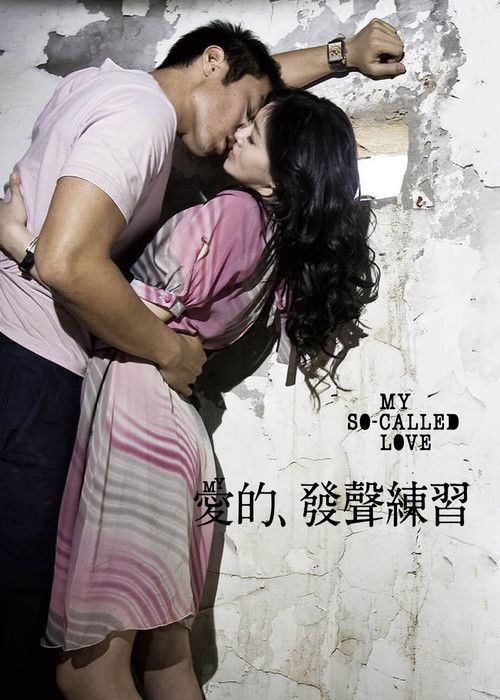
My So-called Love
2008
No user ratings available yet
Representation score: 5.2 out of 10
Representation Score
Fair
2008
Director
Patrick Kong Pak-Leung
Runtime
101 minutes
Average Rating
No ratings yetNew Showbiz Analysis
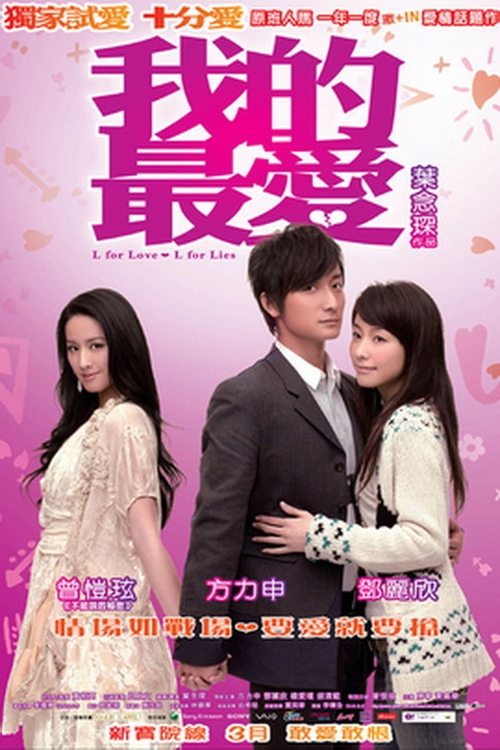
L for Love, L for Lies operates within the established clichés of the romantic drama genre. It centers on a traditional love triangle involving Ah Bo, Ah Jun, and the disruptive Kei Kei. While the film offers a non-Western perspective through its Hong Kong setting, it lacks deep multi-layered complexity. The narrative prioritizes emotional volatility and the deconstruction of idealized romance over systemic critique. It functions as a character study of betrayal rather than a progressive exploration of identity or social structures. Ultimately, the film provides a standard romantic drama experience that focuses on individualistic desire and the fragility of modern urban connections.
Category Breakdown
The film focuses on a heterosexual love triangle and does not include any non-straight or non-cisgender identities.
The story centers on a female protagonist navigating betrayal. While women play key roles in driving the plot, the framework remains rooted in conventional romantic drama dynamics.
As a Hong Kong production, the film features a primarily East Asian cast. It provides non-Western representation but does not blend multiple aspects of identity.
The narrative explores interpersonal betrayal and the instability of modern commitments. It reflects a postmodern approach to character ethics and individualistic pursuits.
There is no mention of characters possessing visible or invisible disabilities within the narrative.
Present on Screen
Limited or Absent
Official Synopsis
Everything was going well for Ah Bo until recently. After graduating from college, she decided to open a shop with her long-time boyfriend, Ah Jun, thinking that she would eventually marry Jun when everything has been set up and running smoothly. One day, Bao met her old classmate Kei Kei. Kei Kei decided to steal Ah Jun for her own, not caring about Ah Bo's feelings.
2008

1996

2002

2003

2010

2008
1999
2002
No reviews yet. Be the first to share your thoughts on this movie!
Use the rating form above to leave a star rating and optional review.