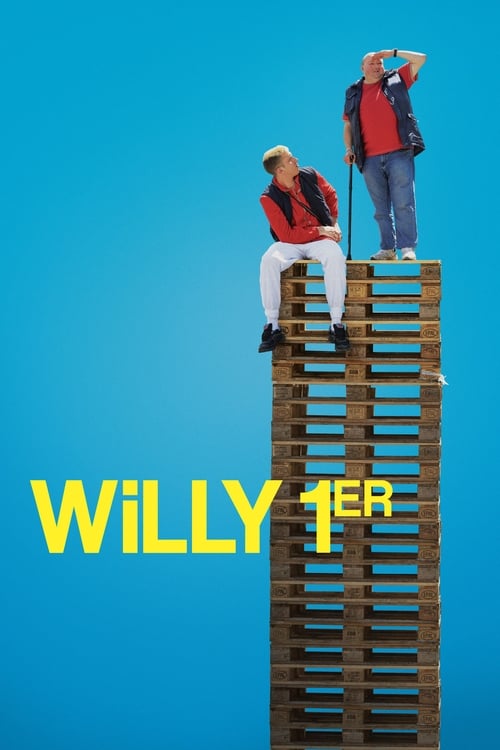
Willy the 1st
2016
No user ratings available yet
Diversity score: 5.2 out of 10

2002
UnratedDirector
Didier Bivel
Runtime
86 minutes
Average Rating
No ratings yetSynopsis
It is the end of the school year for the children of a dormitory town. Most of them leave the place for a vacation with their parents but not Lucien and Adama whose parents can't afford the expense. While the big brothers of the housing estate are busy breaking the law Lulu and Adama manage to sneak into their neighbors' trailer. The two stowaways are elated until they reach their destination: a nudist camp...!
Overall Score
Fair
Category Breakdown
LGBTQ+ Representation
The film lacks explicit depictions of LGBTQ+ characters or non-cisnormative identities. While the nudist camp setting suggests a departure from conventional modesty, there are no confirmed narratives critiquing heteronormativity.
Gender Representation
The story focuses on children navigating socio-economic constraints rather than gender hierarchies. While the setting disrupts traditional parental authority, the film does not explicitly address gendered power dynamics.
Racial & Ethnic Diversity
The presence of characters like Adama suggests representation of African or North African descent. The plot highlights how economic disparities often intersect with marginalized ethnic communities in urban settings.
Religious & Cultural Diversity
The narrative critiques class-based social stratification by focusing on those excluded from standard vacation culture. The nudist camp setting offers a departure from conservative social mores.
Disability Representation
There is no evidence regarding the inclusion or portrayal of characters with physical or neurodivergent disabilities.
Strengths
Areas for Improvement
AI Analysis
The film finds its strength in addressing socio-economic inequality and the agency of marginalized youth. By centering on children who cannot afford traditional vacations, it provides a critique of class-based exclusion. However, the narrative lacks specific representation for LGBTQ+ identities and disability. The focus remains largely on economic struggle rather than broader intersectional identities. Ultimately, the film offers a nuanced look at class and non-traditional social environments, even if it misses opportunities for more explicit diversity.
2016

2023
2006

2006
2013
2007

1985
2006
1995

2009
2004
1970
No reviews yet. Be the first to share your thoughts on this movie!
Use the rating form above to leave a star rating and optional review.