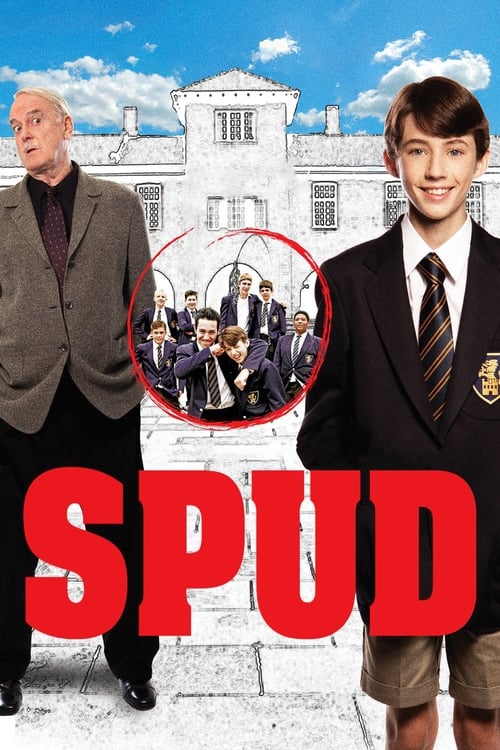
Spud
2010
No user ratings available yet
Representation score: 5.6 out of 10

Representation Score
Good
2013
RDirector
Donovan Marsh
Runtime
91 minutes
Average Rating
No ratings yetNew Showbiz Analysis
Spud 2: The Madness Continues succeeds as a localized coming-of-age comedy that highlights New Zealand's multicultural landscape. Its strongest point is the organic reflection of the country's diverse population through its cast. However, the film adheres closely to traditional narrative structures. It focuses heavily on male social hierarchies and adolescent development, leaving little room for more complex representations of identity. Ultimately, while the film avoids Western-centric homogeneity, it lacks a deeper systemic critique or significant representation of disability and LGBTQ+ identities.
Category Breakdown
The story focuses on male adolescent anxieties related to puberty and physical development. There are no explicit LGBTQ+ character stories or narratives that challenge the assumption that everyone is straight.
The story emphasizes male adolescent development and the social hierarchy among the boys living together. Female characters are present but the focus remains on the boys' experiences.
The film includes actors from both Pākehā and Māori backgrounds, reflecting New Zealand's demographic reality. This natural inclusion provides a nuanced look at a multi-ethnic boarding school environment.
Themes of family dysfunction are explored through Spud's quirky relatives and his father's moonshine business. These elements contribute to situational comedy rather than a critical look at institutions.
The film does not have central stories focused on neurodivergence or physical disabilities. The grandmother's eccentric traits might rely on comedic stereotypes rather than meaningful disability representation.
Present on Screen
Limited or Absent
Official Synopsis
The year is 1991, and Spud Milton's long walk to manhood is still creeping along at an unnervingly slow pace. Approaching the ripe old age of fifteen and still no signs of the much anticipated ball-drop, Spud is coming to terms with the fact that he may well be a freak of nature. With a mother hell-bent on emigrating, a father making a killing out of selling homemade moonshine, and a demented grandmother called Wombat, the new year seems to offer little except extreme embarrassment and more mortifying Milton madness. But Spud is returning to a boarding school where he is no longer the youngest or the smallest. His dormitory mates, known as the Crazy Eight, have an unusual new member and his house has a new clutch of first years (the Normal Seven). If Spud thinks his second year will be a breeze, however, he is seriously mistaken.
2010
2000
2002
2018

2015
1997
2008
1999
No reviews yet. Be the first to share your thoughts on this movie!
Use the rating form above to leave a star rating and optional review.