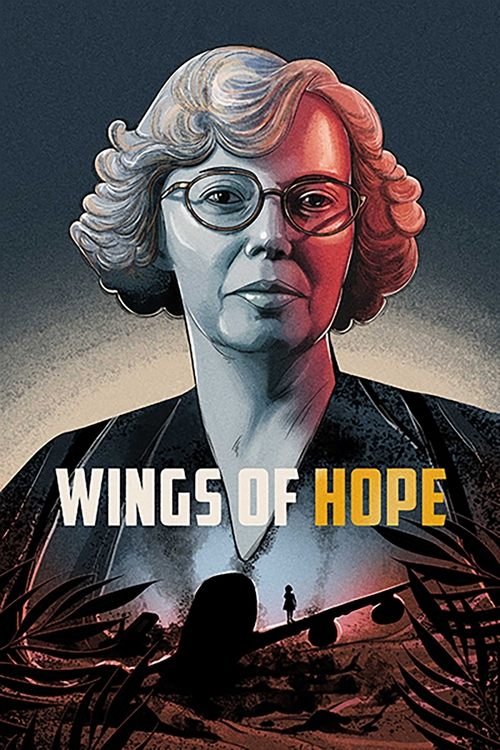
Wings of Hope
1999
No user ratings available yet
Representation score: 7.1 out of 10
Representation Score
Limited
1970
Director
Werner Herzog
Runtime
45 minutes
Average Rating
No ratings yetNew Showbiz Analysis
Werner Herzog's documentary shifts the focus to East African medical infrastructure, disrupting traditional geopolitical hierarchies. It moves away from the homogeneous Western narratives common in 1970. The film highlights non-Western realities centered around the African Medical and Research Foundation. This approach challenges the 'recipient' stereotype often seen in colonial-era media. However, the absence of detailed character information hinders a thorough assessment of individual representation. The film primarily serves as an ethnographic and humanitarian observation of a specific region.
Category Breakdown
There are no LGBTQ+ narratives or characters in this documentary, which focuses on medical services in 1970s East Africa.
The film highlights the professional roles of medical practitioners, particularly in high-stakes situations. Whether women are included in these roles affects the representation of gender.
By focusing on the African Medical and Research Foundation, the film emphasizes non-Western perspectives and local populations.
The documentary challenges Western dominance by showcasing localized humanitarian efforts in East Africa. It examines how survival and systemic needs intersect.
While the film deals with treating physical conditions, it is unclear if characters with disabilities are shown taking active roles or just as patients.
Present on Screen
Limited or Absent
Official Synopsis
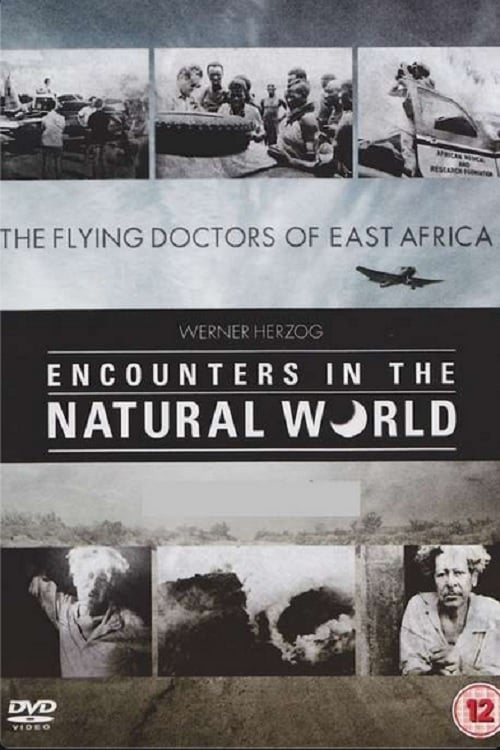
The Flying Doctors of East Africa (German: Die Fliegenden Ärzte von Ostafrika) is a 1969 documentary film by Werner Herzog about the "flying doctors" service of the African Medical and Research Foundation in Tanzania, Kenya, and Nairobi.
1999

1982

1991

2007

1985

2010
1968

1990
No reviews yet. Be the first to share your thoughts on this movie!
Use the rating form above to leave a star rating and optional review.