Honor Bound
1928
No user ratings available yet
Representation score: 1.3 out of 10
Representation Score
Minimal
1919
PassedDirector
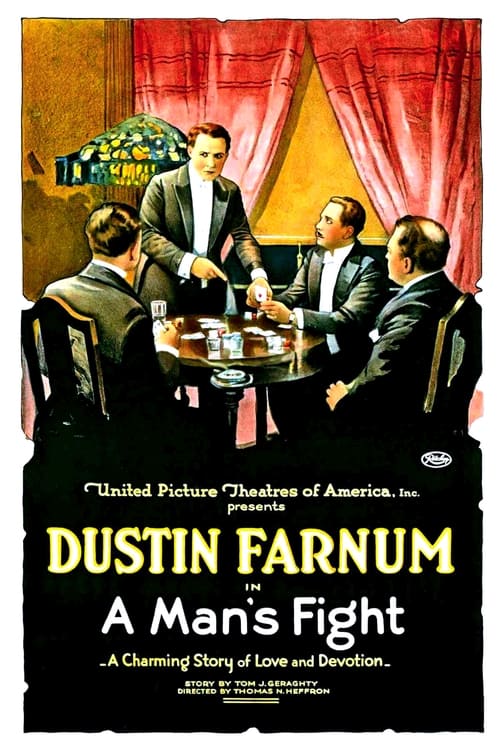
Thomas N. Heffron
Runtime
50 minutes
Average Rating
No ratings yetNew Showbiz Analysis
A Man's Fight functions as a traditional melodrama focused on class and family protection. While it slightly subverts gender roles by making a woman's defensive action the plot's catalyst, it ultimately reinforces old-fashioned masculine archetypes of martyrdom. The film's scope is narrow, lacking engagement with racial, LGBTQ+, or disability-related themes. It presents a very homogeneous view of early 20th-century New York society. The narrative prioritizes a personal moral code over social critique, emphasizing the tension between legal truth and familial duty.
Category Breakdown
The film does not include any characters with non-straight or non-cisgender identities, and there are no scenes showing same-sex intimacy. Character relationships follow traditional heterosexual norms.
Ethel's actions in response to trauma drive the plot, challenging the passive female victim stereotype. However, the resolution centers around Roger's masculine sacrifice, reinforcing traditional gender roles.
The setting implies a homogeneous social environment. There is no evidence of non-white or non-Anglo-Saxon representation in the narrative.
The story examines moral relativism through familial loyalty but operates within conventional Western social structures without challenging them.
The character descriptions do not mention any visible or invisible disabilities. There is no engagement with neurodivergence or mental health issues.
Present on Screen
Limited or Absent
Official Synopsis
An impertinent son of a wealthy New Yorker, Roger Carr takes the blame for the murder of Norman Evans, whom Roger believes his sister Ethel shot when Evans assaulted her.
1928
1950
1925
1923

1929
1909
1923
1931
No reviews yet. Be the first to share your thoughts on this movie!
Use the rating form above to leave a star rating and optional review.