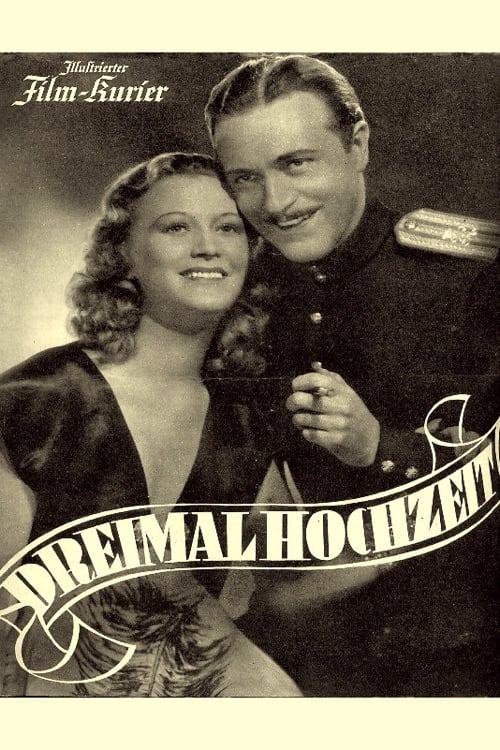
Dreimal Hochzeit
1941
No user ratings available yet
Representation score: 1.0 out of 10
Representation Score
Limited
1941
K-16Director
Félix Podmaniczky, Imre Apáthi
Runtime
94 minutes
Average Rating
No ratings yetNew Showbiz Analysis
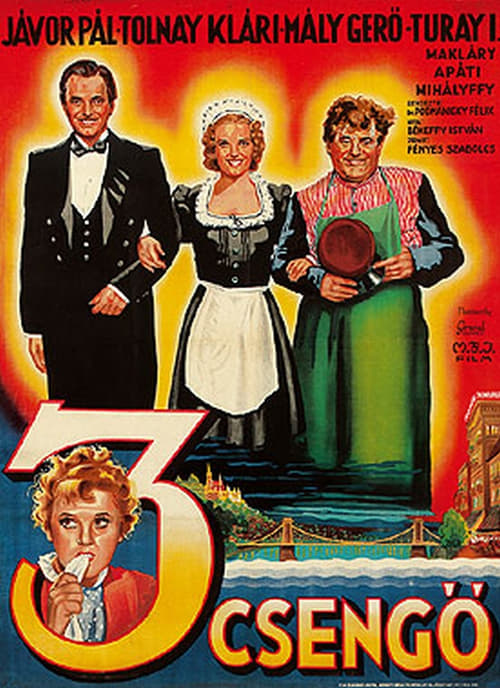
Three Bells is a conventional mid-century European comedy that adheres to the social structures of its time. The narrative centers on established class distinctions and traditional romantic clichés without subverting them. The film presents a world defined by service industry hierarchies and traditional gender dynamics. Character interactions reinforce existing social orders. Ultimately, Three Bells reflects the homogeneous and traditional frameworks of 1940s cinema without attempting to disrupt established gender or class norms.
Category Breakdown
The film does not include any LGBTQ+ identities or same-sex relationships. The plot revolves around traditional romance between a gentleman and a maid.
The film reinforces traditional gender roles and power imbalances. It relies on period-specific clichés where a male character pursues a domestic worker.
The setting suggests a homogeneous European society. There is no indication of diverse ethnic casting that challenges the era's standards.
The story operates within established social orders and service industry hierarchies. It focuses on typical courtship and domestic life without challenging European social structures.
There are no visible or invisible disabilities mentioned in the characters or plot summary.
Present on Screen
Limited or Absent
Official Synopsis
Kovalszky arrives at the Danube-Bank Hotel as a foreign gentleman. Two members of the staff, Miklós, the waiter and Anna, the house-maid are planning their life together. Kovalszky makes passes at Anna.
1941

1934
1941
1997
1955
1960
1931
1957
No reviews yet. Be the first to share your thoughts on this movie!
Use the rating form above to leave a star rating and optional review.