
Cabaret Maxime
2018
No user ratings available yet
Representation score: 5.5 out of 10

Representation Score
Fair
2006
Director
Thierry Klifa
Runtime
103 minutes
Average Rating
No ratings yetNew Showbiz Analysis
Family Hero is a character-driven drama that prioritizes interpersonal dynamics and the complexities of communal life. It succeeds in distributing a significant role between its two young protagonists, Nino and Marianne, rather than relying on a singular male lead. However, the film follows conventional dramatic structures. It lacks evidence of intentional casting that reflects multiple aspects of identity or the subversion of systemic social norms, leaning instead toward traditional views of legacy and community. Ultimately, the work functions as a meaningful character study but does not actively seek to disrupt cultural or racialized hierarchies.
Category Breakdown
The film lacks explicit evidence of LGBTQ+ characters or narratives that challenge the assumption that everyone is straight or cisgender. The story focuses on a traditional familial inheritance structure involving godchildren.
Nino and Marianne share a significant role in managing the cabaret, avoiding the single-male-leader cliché. However, the specific power dynamics between them remain unexplored.
Set in the diverse Mediterranean landscape of Nice, the film provides no confirmation of non-white casting. There is no specific detail regarding racial intersections within the character arcs.
The narrative centers on the preservation of a local institution and communal legacy. It does not appear to offer a critique of Western or capitalist structures.
There is no mention of characters navigating physical, sensory, or neurodivergent experiences within the provided context.
Present on Screen
Limited or Absent
Official Synopsis
A story of a cabaret in Nice called "Le perroquet bleu" ("The blue parrot"). The innkeeper, Gabriel, dies at the beginning of the movie and leave his business to his godchildren : Nino and Marianne, whom father had been taken under Gabriel's wing when he was fifteen years old. After the reading of the will, the fate of "The Blue Parrot" is in their hands.
2018
2018
2006
1976

2004
1996
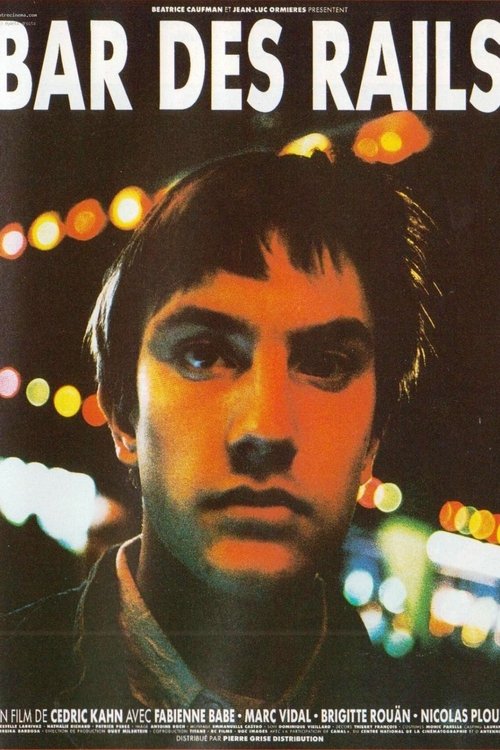
1992

1998
No reviews yet. Be the first to share your thoughts on this movie!
Use the rating form above to leave a star rating and optional review.