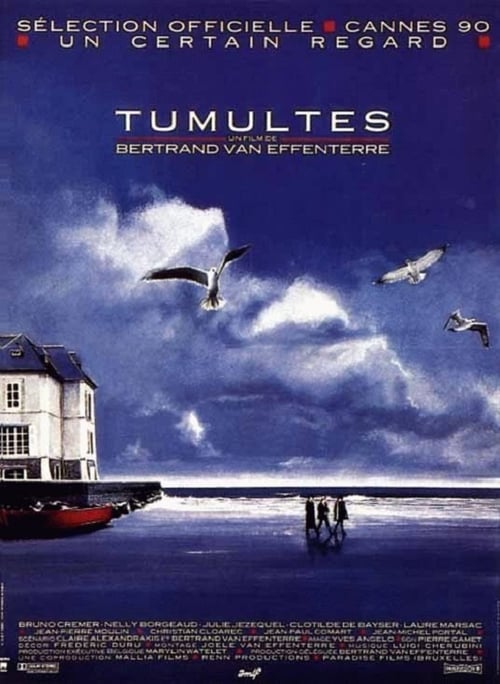
Tumultes
1990
No user ratings available yet
Representation score: 6.9 out of 10
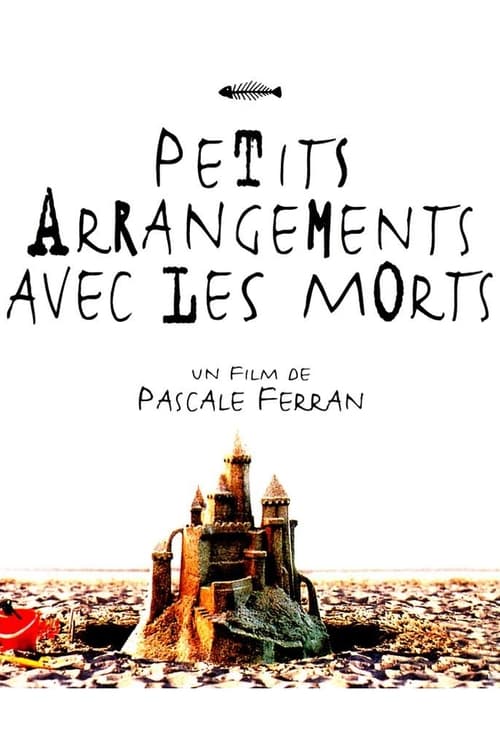
Representation Score
Fair
1994
Director
Pascale Ferran
Runtime
104 minutes
Average Rating
No ratings yetNew Showbiz Analysis
Pascale Ferran’s drama is a character-driven exploration of mourning that prioritizes psychological depth over broad demographic representation. The film excels in its secular, nuanced approach to grief, avoiding heavy moralistic conclusions about death. However, it lacks visible representation of LGBTQ+ identities and features a relatively homogeneous cast, reflecting a specific French context.
Category Breakdown
The film explores the experience of grief through characters like Jumbo and Zaza. It does not include characters with non-cisgender identities or non-heterosexual orientations.
The story revolves around the sibling relationship between François and Zaza. It examines gendered responses to trauma without relying heavily on patriarchal clichés.
The film is set in a coastal town in Brittany, and the cast is predominantly of the same ethnicity. It does not feature a diverse, multicultural ensemble.
The film avoids religious views of death and instead focuses on a secular, psychological exploration of loss. It emphasizes personal morality over institutional rituals.
The main characters, Jumbo, François, and Zaza, do not have physical, sensory, or neurodivergent disabilities in their character arcs.
Present on Screen
Limited or Absent
Official Synopsis
It’s summer, on the beach of this little town in Brittany, a man is building a sand castle. A few people watch him. We will be told the story of three of them: a boy, Jumbo, aged 9; François and his sister Zaza. All of them had to deal with the death of somebody they cherished.
1990
1976
2015

1963
2021
2021

2004
2010
No reviews yet. Be the first to share your thoughts on this movie!
Use the rating form above to leave a star rating and optional review.