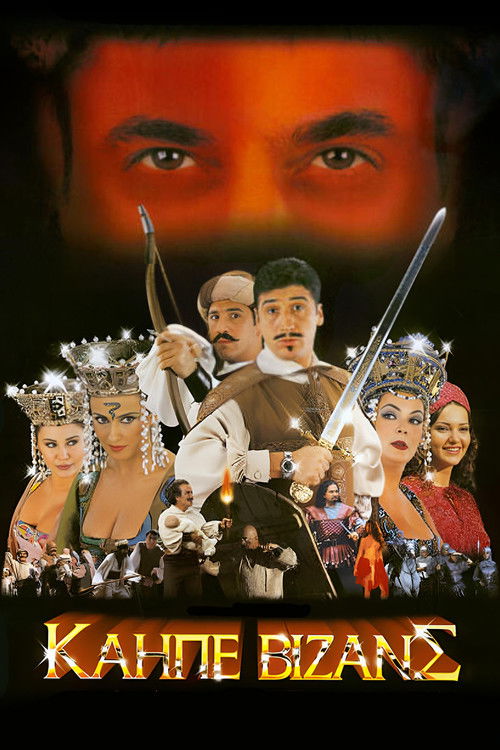
Perfidious Byzantine
2000
No user ratings available yet
Representation score: 5.0 out of 10
Representation Score
Limited
2017
Director
Burak Aksak
Runtime
0 minutes
Average Rating
No ratings yetNew Showbiz Analysis
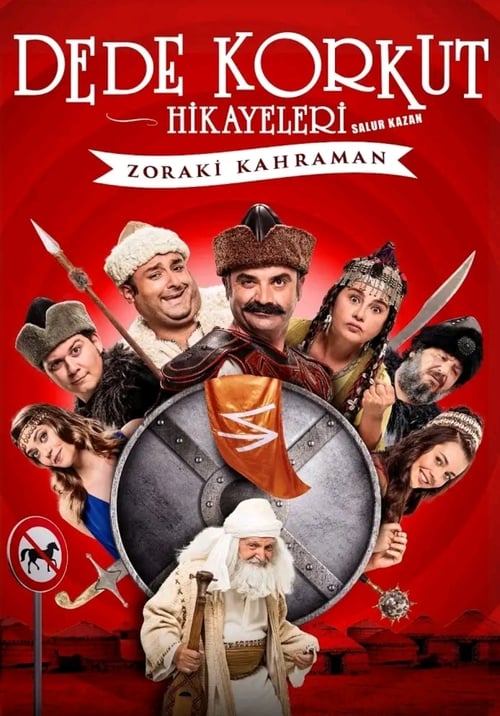
The film presents a comedic adaptation of Oghuz Turkic folklore, emphasizing the preservation of cultural heritage over challenging social norms. It provides a unique non-Western mythological perspective through its focus on tribal history, offering significant ethnic representation. However, the narrative remains socially conservative, relying on traditional heroic archetypes that emphasize male dominance and maintaining a homogeneous ethnic focus. Ultimately, the film celebrates cultural heritage through a modern lens but does not engage with contemporary frameworks of identity.
Category Breakdown
The film follows traditional social structures found in the Dede Korkut epics and does not include narratives involving non-straight identities or critiques of the assumption that everyone is straight.
Men play the primary roles in combat and tribal leadership, while women have limited roles that support traditional masculine dominance and military strength.
The film centers on Turkic ethnic identity and Oghuz tribal culture, but the narrative emphasizes ethnic unity rather than blending different ethnicities.
The film's worldview is influenced by pre-Islamic Turkic shamanistic traditions, reinforcing traditional values of tribal loyalty and community stability.
The film does not address neurodivergence, physical disabilities, or chronic illnesses in the character arcs or narrative drivers.
Present on Screen
Limited or Absent
Official Synopsis
Will Salur be able to rescue his loved ones who have been taken captive by the bad guys? Will the captive tribe be able to defeat the bad guys? In Salur Kazan: The Reluctant Hero, the fairy tales we all know are presented to us again in a humorous and modern language.
2000
2006
1969
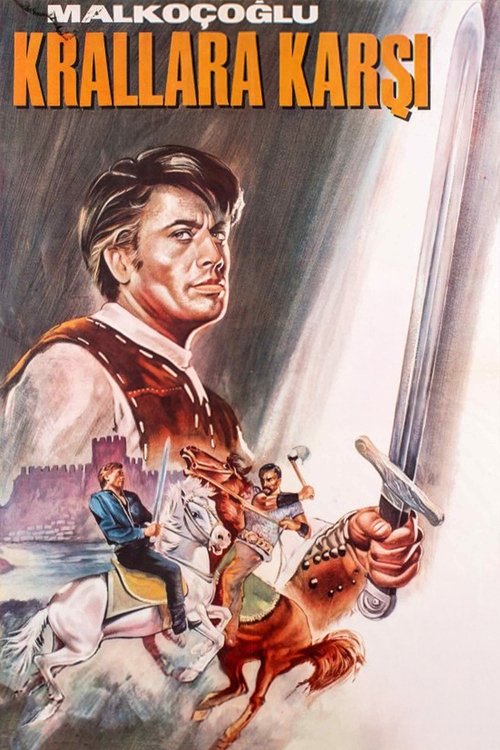
1967
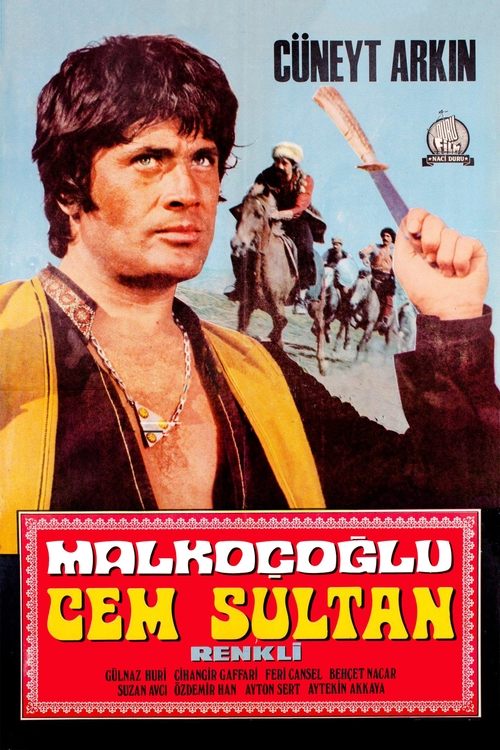
1970
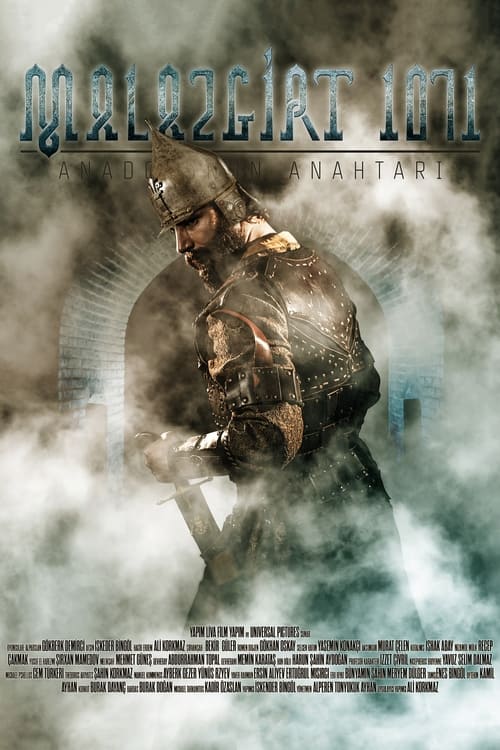
2022
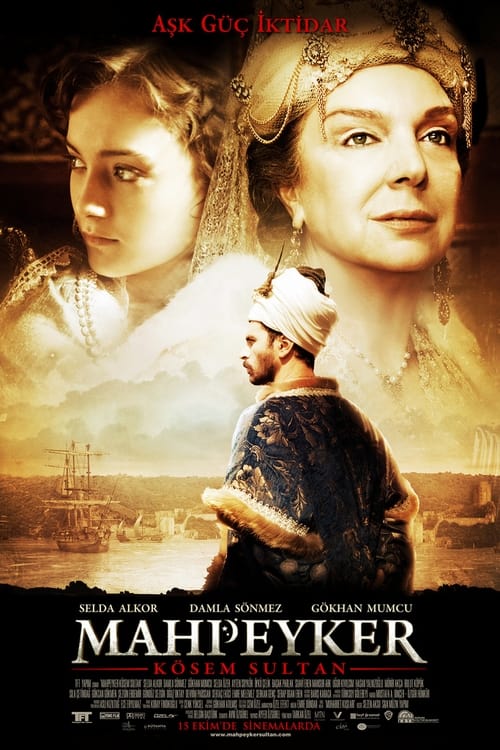
2010
2014
No reviews yet. Be the first to share your thoughts on this movie!
Use the rating form above to leave a star rating and optional review.