Perfidious Byzantine
2000
No user ratings available yet
Representation score: 5.0 out of 10
Representation Score
Good
2006
Director
Ezel Akay
Runtime
135 minutes
Average Rating
No ratings yetNew Showbiz Analysis
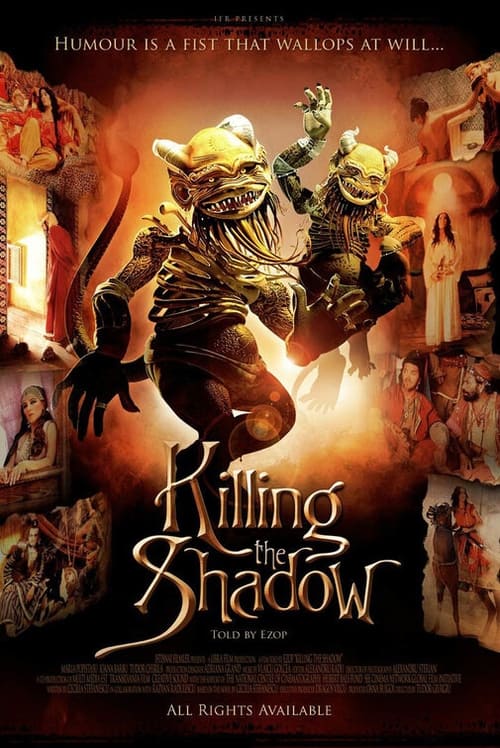
Killing the Shadows is a sophisticated deconstruction of historical myths using the legendary figures of Hacivat and Karagöz to critique power dynamics. The film effectively uses satire and wit to subvert traditional patriarchal and institutional structures. While the film excels in critiquing social and political structures, it does not provide any representation of disability. The focus remains on the ability to act of outsiders and the critique of state stability. Overall, the film serves as a progressive piece of storytelling that emphasizes the importance of the outsider's perspective over the stability of the state.
Category Breakdown
The film sets its story in a 14th-century environment that allows for flexible social roles. Although the romantic relationships are hidden behind a fable-like style, the narrative centers on characters who challenge traditional norms, disrupting the rigidity of societal expectations.
The traditional power structures are challenged by showing a world where power isn't solely tied to masculinity. Female characters exhibit significant intelligence and play key roles in driving the story, often contrasting with the ineffective political structures dominated by men.
The film's setting in the mid-14th century Ottoman Empire showcases a diverse range of ethnicities. Character interactions reflect a blend of cultures influenced by the Silk Road era, creating a rich tapestry of identities.
The story uses satire to criticize established religious and political systems. It highlights the truth found in the underrepresented jesters over the strict, often absurd rules of the ruling class.
There is no visible or invisible disability representation present in the film's narrative or character descriptions.
Present on Screen
Limited or Absent
Official Synopsis
Killing The Shadows is a bawdy comic fable set in the Ottoman Empire during the mid-14th century based on two legendary figures in Turkish folkore, the jester Hacivat (Beyazit Ozturk) and the nomad Karagoz (Haluk Bilginer), men who apparently lived and died by their sense of humour.
2000
1971
2017
2008
2016
1986
1975
2010
No reviews yet. Be the first to share your thoughts on this movie!
Use the rating form above to leave a star rating and optional review.