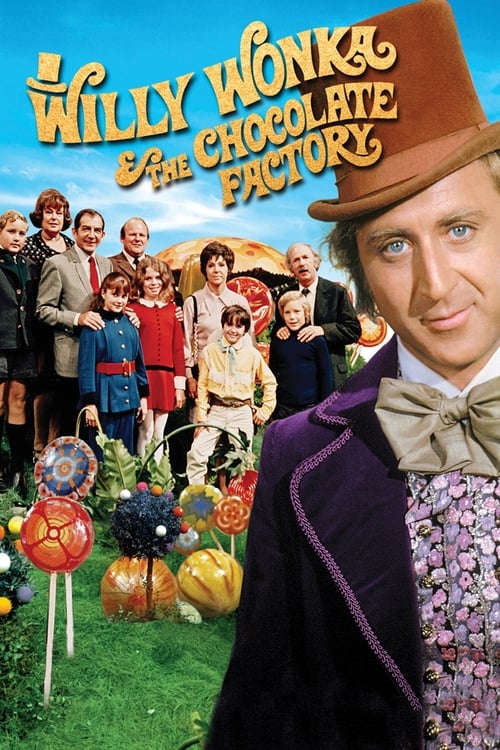
Willy Wonka & the Chocolate Factory
1971
No user ratings available yet
Representation score: 2.6 out of 10
Representation Score
Fair
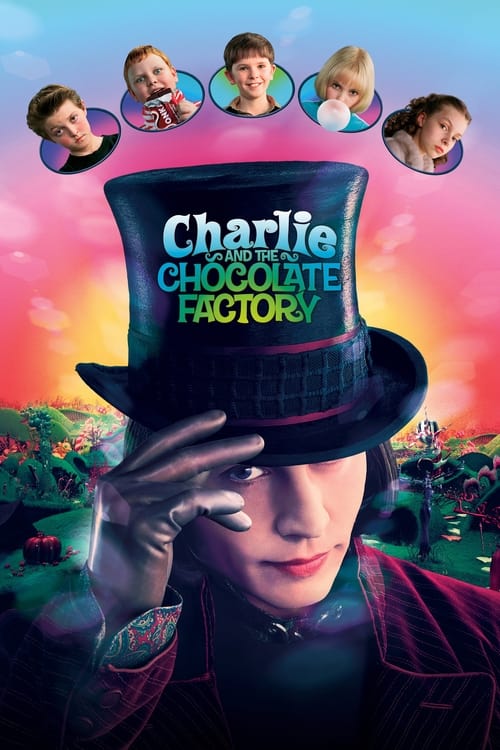
2005
PGDirector
Tim Burton
Runtime
115 minutes
Average Rating
No ratings yetNew Showbiz Analysis
Tim Burton's adaptation is a modern moral fable centered on individual morality. While it delves into the psychological impacts of consumerism, it adheres to traditional storytelling methods. It emphasizes the 'outsider' archetype through Wonka's eccentricity rather than through identity-based social changes. The film doesn't offer overt characters who reflect more than one aspect of diversity or a direct challenge to established social hierarchies. Instead, it highlights the tension between socioeconomic struggle and capitalist indulgence.
Category Breakdown
The film doesn't include any LGBTQ+ characters or explore non-straight relationships. The interpersonal dynamics center around traditional family structures and the eccentric isolation of Willy Wonka.
Gender roles are traditional, with Mrs. Bucket representing a nurturing mother figure. The film lacks meaningful conversations between women and doesn't challenge the hierarchy between genders.
The cast is mainly composed of Western characters from middle-to-upper-class backgrounds, except for Charlie's economic struggles. The film doesn't use actors from different racial backgrounds to challenge the historical homogeneity of the setting.
The story criticizes consumerism by portraying spoiled children as examples of greed. It serves as a moral tale focusing on personal character rather than societal issues.
Willy Wonka's unusual behavior and social isolation suggest he might have a neurodevelopmental condition. However, the film doesn't explicitly label these traits or give him a role that addresses his condition.
Present on Screen
Limited or Absent
Official Synopsis
A young boy wins a tour through the most magnificent chocolate factory in the world, led by the world's most unusual candy maker.
1971
2008

2016
1998
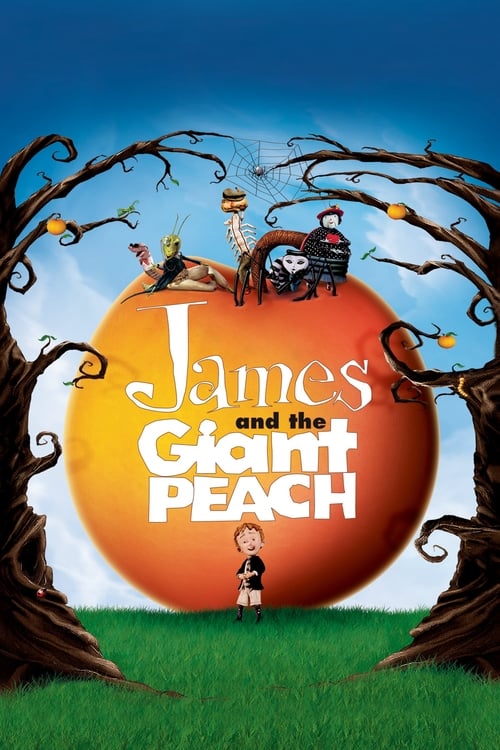
1996
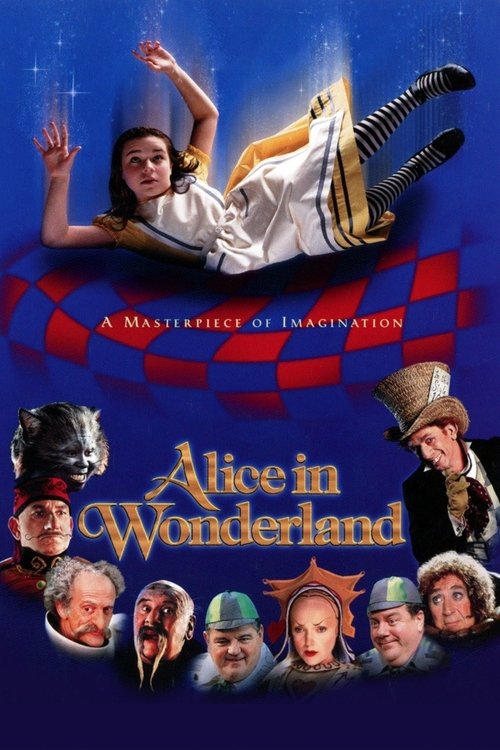
1999
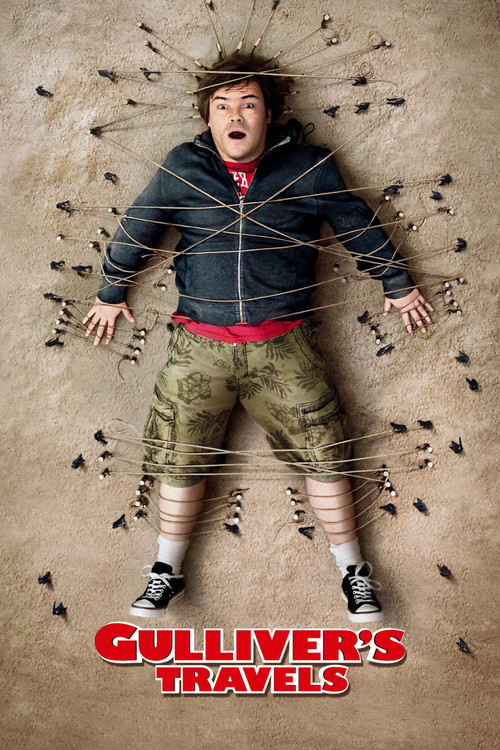
2010
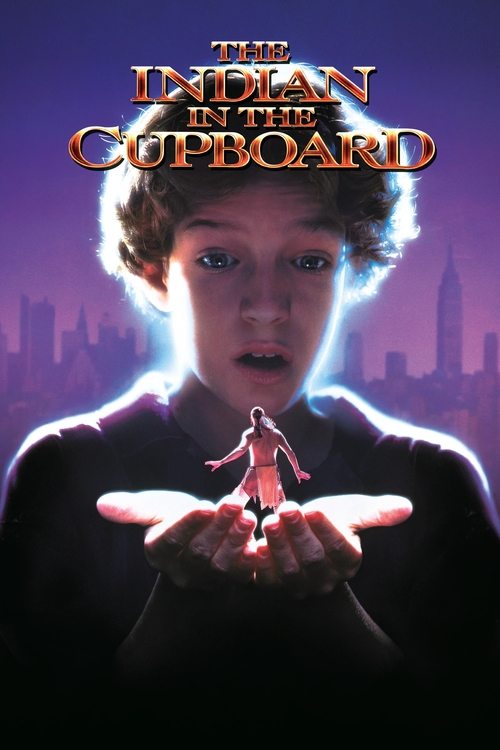
1995
No reviews yet. Be the first to share your thoughts on this movie!
Use the rating form above to leave a star rating and optional review.