
The Execution of Raymond Graham
1985
No user ratings available yet
Representation score: 3.0 out of 10
Representation Score
Limited
1982
UnratedDirector
Lawrence Schiller
Runtime
135 minutes
Average Rating
No ratings yetNew Showbiz Analysis
The film functions as a nihilistic deconstruction of mid-century American justice rather than a traditional moral drama. It prioritizes an interrogation of systemic authority and individual ability to act over demographic breadth. While the film lacks diversity in terms of race, gender, and LGBTQ+ representation, it excels in its intellectual critique of institutional morality. It uses the protagonist's demand for execution to challenge the state's role in capital punishment. Ultimately, the work trades demographic variety for narrative sophistication, focusing on the friction between the individual and the legal system.
Category Breakdown
The film focuses entirely on heterosexual relationships and does not include any LGBTQ+ identities or critiques of heterosexuality.
The narrative centers around the male protagonist's psychological journey. Nicole Baker is a central figure, but her role lacks independent ability to act.
The cast is predominantly white, reflecting the historical context of the American West. The film focuses on a homogeneous social environment.
The film offers a sophisticated critique of Western institutions and the legal system. It effectively deconstructs the media circus and capitalist exploitation of tragedy.
Psychological instability is used primarily to drive the criminal plot. The film frames mental states through criminal pathology rather than nuanced disability representation.
Present on Screen
Limited or Absent
Official Synopsis
In this fact-based made-for TV film, Gary Gilmore, an Indiana man who just finished serving a lengthy stay in prison, tries to start anew by moving to Utah. Before long, Gary begins an ill-advised romance with the troubled Nicole Baker, a teenage single mother. As their relationship quickly deteriorates, Gary goes on a murderous rampage, leaving two dead. During his trial, he demands capital punishment; a media circus ensues and outsiders look to profit from his story.
1985
1959

1999
1971
1986

1967

1989
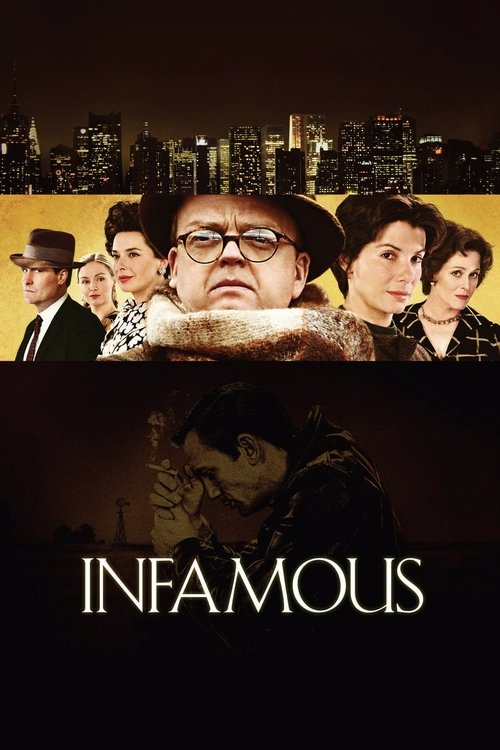
2006
No reviews yet. Be the first to share your thoughts on this movie!
Use the rating form above to leave a star rating and optional review.