Don't Hug Me I'm Scared 2
2014
No user ratings available yet
Representation score: 8.4 out of 10
Representation Score
Good
2019
TV-MADirector
Lauren Orme
Runtime
11 minutes
Average Rating
No ratings yetNew Showbiz Analysis
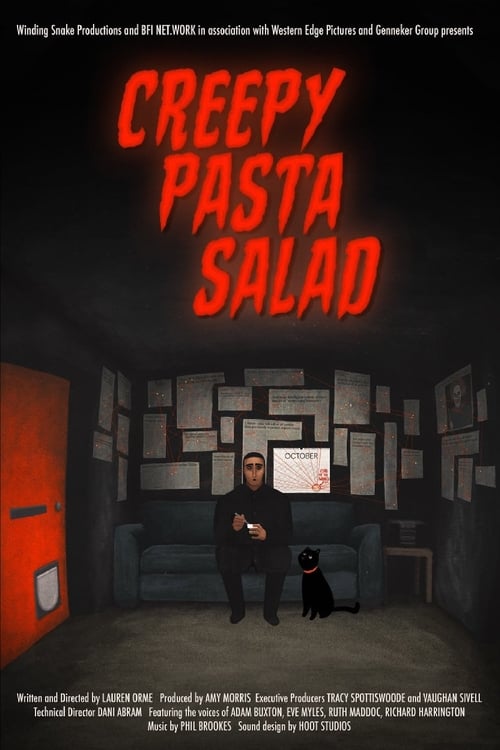
Creepy Pasta Salad serves as a critique of modern life, using absurd humor to highlight the anxieties of daily existence. By focusing on the mundane aspects of bureaucracy and social performance, it subverts traditional heroic narratives. While the film offers a progressive critique of Western social norms and institutional oppression, it lacks clear demographic representation. The focus on Welsh citizens and systemic annoyances provides a unique cultural perspective, though the absence of specific character identities limits its diversity impact. Ultimately, the work emphasizes a shared sense of dread, making it a study of social structures rather than a showcase of diverse character representation.
Category Breakdown
The film examines complex social dynamics but does not include explicit queer characters or challenge the assumption that everyone is straight.
The story avoids traditional male-dominated roles and focuses instead on the frustrations of everyday life, rather than masculine leadership or conquest.
Set in Wales, the film hints at a potential to explore non-Anglo-centric themes. However, it is unclear if there are non-white characters in the cast.
The film criticizes performative Western social norms and bureaucratic routines, emphasizing individual experiences over traditional nationalist ideals.
The central theme of anxiety highlights the importance of neurodivergence or mental health. Whether citizens navigate their environment with real control is unclear.
Present on Screen
Limited or Absent
Official Synopsis
Anxious citizens of Wales survive Halloween, compulsory fancy dress, the endless drudgery of being put on hold and the apocalypse (sort of).
2014
2015

2015

2009
2019
2016

2022
2019
No reviews yet. Be the first to share your thoughts on this movie!
Use the rating form above to leave a star rating and optional review.