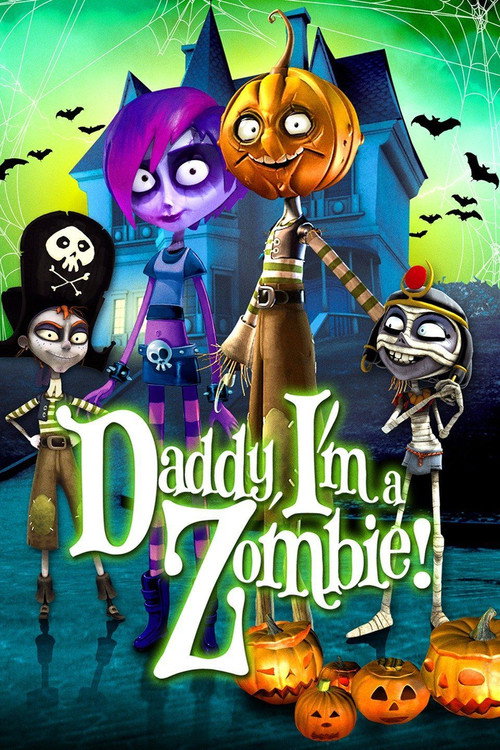
Daddy, I'm a Zombie
2012
No user ratings available yet
Representation score: 5.7 out of 10
Representation Score
Good
2019
Director
Fernando Maldonado, Jorge Tereso
Runtime
28 minutes
Average Rating
No ratings yetNew Showbiz Analysis
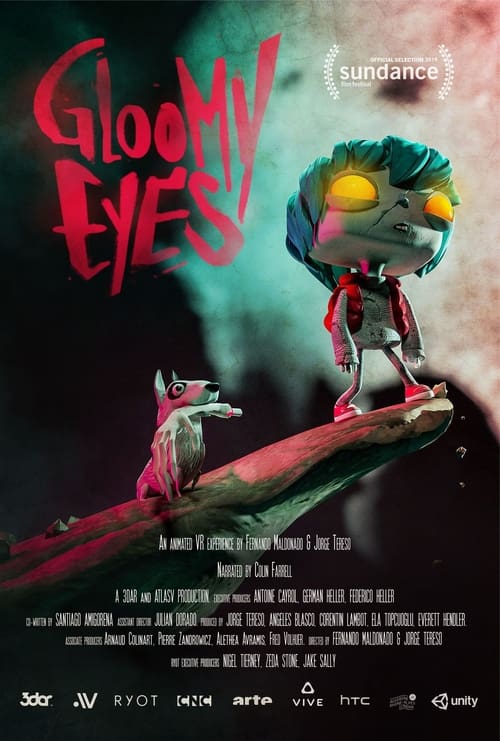
Gloomy Eyes employs a gothic, surrealist framework to explore themes of alienation and social exclusion. While the non-human character designs prevent explicit demographic diversity, the narrative structure effectively challenges conventional social hierarchies. The film disrupts traditional hero-villain dynamics by placing the 'monstrous' at the emotional center. This metaphorical approach provides a nuanced look at how underrepresented identities navigate exclusionary environments. Ultimately, the work functions as a sophisticated exploration of the 'other,' prioritizing atmospheric world-building and the subversion of systemic authority over traditional storytelling clichés.
Category Breakdown
The story focuses on a romantic relationship between Gloomy and Luna. It doesn't explicitly include LGBTQ+ identities or queer dynamics, but the theme of loving an outcast can be interpreted as a nod to social non-conformity.
The film uses a traditional romantic pairing between a male protagonist and a female character. It challenges the typical portrayal of masculinity by emphasizing the protagonist's emotional vulnerability and personal growth.
The monochromatic, stylized animation avoids traditional racial identifiers, which prevents stereotypes but also sidesteps explicit characters who reflect more than one aspect of diversity. Instead, it uses species as a metaphor for exclusion.
The narrative critiques traditional authority figures by presenting the zombie-hunter as a source of conflict. It portrays monstrous characters as having human qualities while depicting the human world as rigid and exclusionary.
Gloomy’s zombie status serves as a metaphor for physical or invisible disabilities. The film avoids inspirational clichés by focusing on his internal emotional struggles and quest for connection.
Present on Screen
Limited or Absent
Official Synopsis
Poor Gloomy. It’s 1983, and the fact that he’s a zombie makes him an outcast. Hiding out in the forest, Gloomy has his sights on a human girl. But her uncle happens to be one of the most feared zombie-hunters in the land. Set in a surreal universe that owes a debt to the visual stylings of Tim Burton, this awardwinning VR experience pairs surreal animation with a darkly humorous take on zombie-human relations.
2012
2016
2017
2011
2018
2017
2009
2009
No reviews yet. Be the first to share your thoughts on this movie!
Use the rating form above to leave a star rating and optional review.