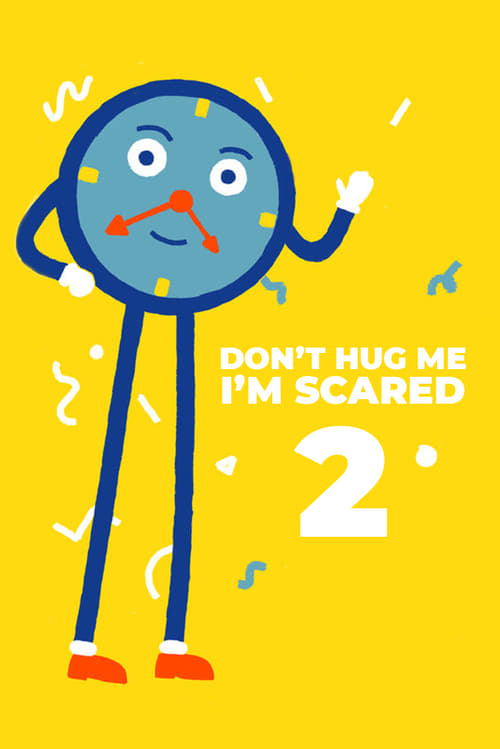
Don't Hug Me I'm Scared 2
2014
No user ratings available yet
Representation score: 8.4 out of 10

Representation Score
Excellent
2015
TV-14Director
Becky Sloan, Joseph Pelling
Runtime
6 minutes
Average Rating
No ratings yetNew Showbiz Analysis
Don't Hug Me I'm Scared 4 explores media consumption and sensory overload using a digital landscape. Its strength lies in its sophisticated critique of institutional authority and its ability to subvert traditional social structures through a postmodern, surrealist lens. However, the use of non-humanoid puppets creates a gap in explicit human representation, avoiding many racial and gendered stereotypes but limiting multi-layered visibility. Ultimately, the film prioritizes thematic subversion over direct, representative character studies, reflecting intellectual complexity rather than broad demographic representation.
Category Breakdown
The installment avoids typical romantic storylines and focuses on abstract interactions between characters. This approach allows for flexible interpretations of identity beyond the usual assumptions about straight relationships.
Characters exist in chaotic settings where traditional male dominance doesn't work. Puppet designs help break down typical gender roles and hierarchies.
Using non-humanoid puppets creates a post-racial framework. While this avoids common racial stereotypes, it also lacks explicit representation of human ethnicities.
The narrative criticizes institutional education and the corruption of digital information. It uses surrealism to challenge Western educational norms and systemic authority.
Themes of overwhelming senses and conflicting thoughts suggest metaphors for neurodivergence. However, characters often have little control over their situations, appearing as victims rather than empowered individuals.
Present on Screen
Limited or Absent
Official Synopsis
The fourth instalment in the surreal Don’t Hug Me I’m Scared videos in which the three returning characters enter a sinister digital world through their computer.
2014
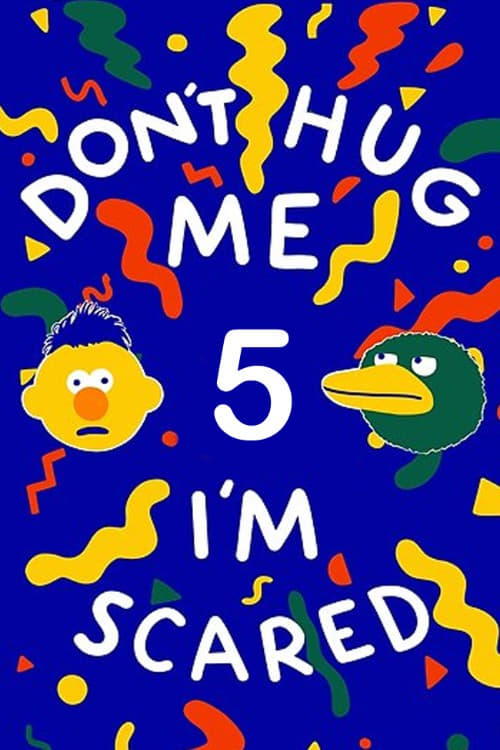
2015
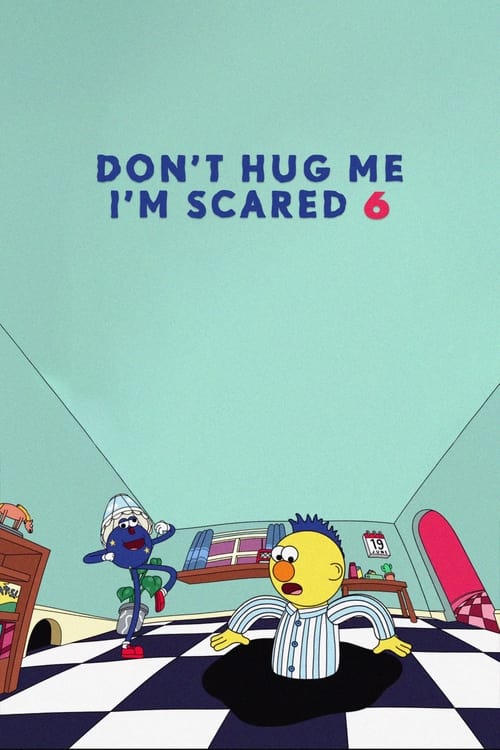
2016
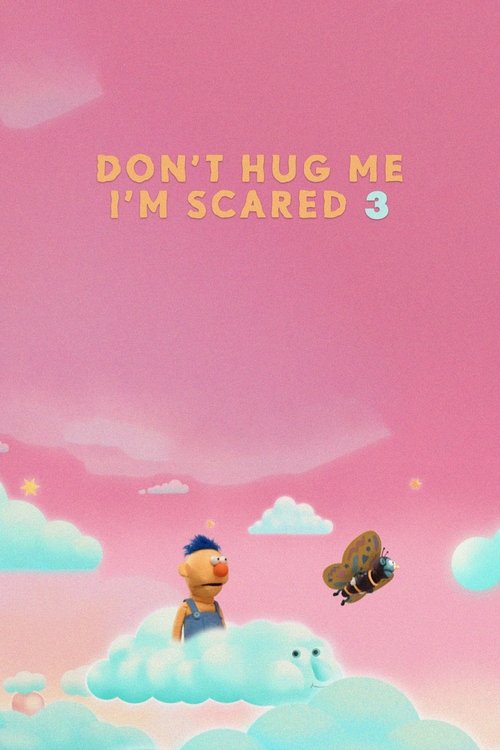
2014

2012
No reviews yet. Be the first to share your thoughts on this movie!
Use the rating form above to leave a star rating and optional review.