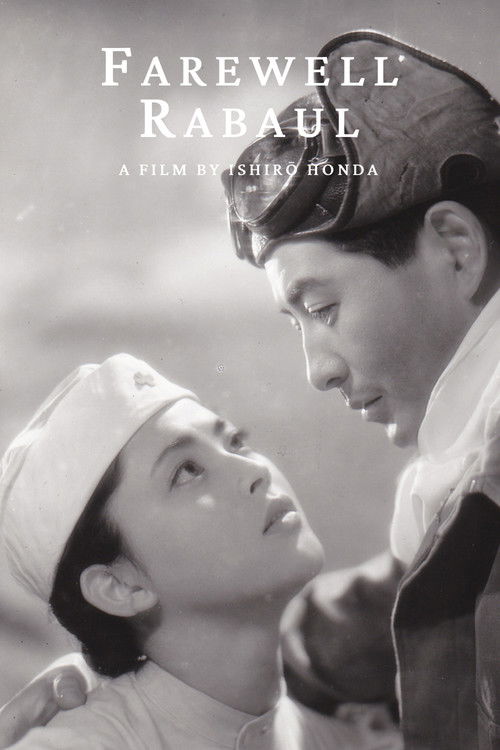
Farewell Rabaul
1954
No user ratings available yet
Representation score: 5.1 out of 10
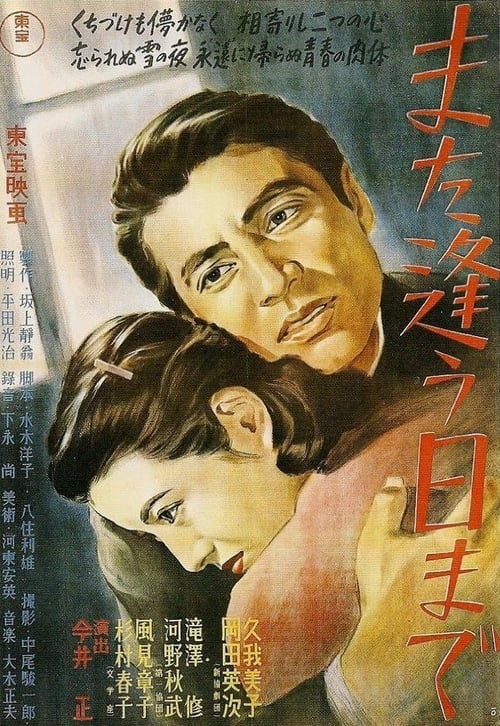
Representation Score
Good
1950
Director
Tadashi Imai
Runtime
111 minutes
Average Rating
No ratings yetNew Showbiz Analysis
Till We Meet Again is a period drama that emphasizes cultural authenticity and national identity. It provides a culturally consistent experience by avoiding the demographic blending typical in Western-influenced productions of its time. However, the film adheres to the social hierarchies and romantic clichés of 1950s Japan, resulting in a lack of progressive representation regarding gender and LGBTQ+ identities. The narrative centers on resilience within traditional structures, focusing on the psychological impact of systemic change.
Category Breakdown
There are no queer narratives or non-cisgender identities in the film, which is set in the 1950s.
Keiko shows strength and emotional depth while dealing with wartime losses, but the film upholds traditional gender roles of protectors and nurturers.
The film features a homogeneous Japanese cast and focuses on a domestic story, avoiding the Western perspective common in mid-century films.
The story looks at national identity during post-war reconstruction and the tension between individual trauma and societal reintegration.
The film does not include characters with disabilities and focuses on the universal experience of wartime trauma.
Present on Screen
Limited or Absent
Official Synopsis
Saburo and Keiko fall in love with each other but the tide of war separates them.
1954

1955

1966
1958

1958

1957
1961
1947
No reviews yet. Be the first to share your thoughts on this movie!
Use the rating form above to leave a star rating and optional review.