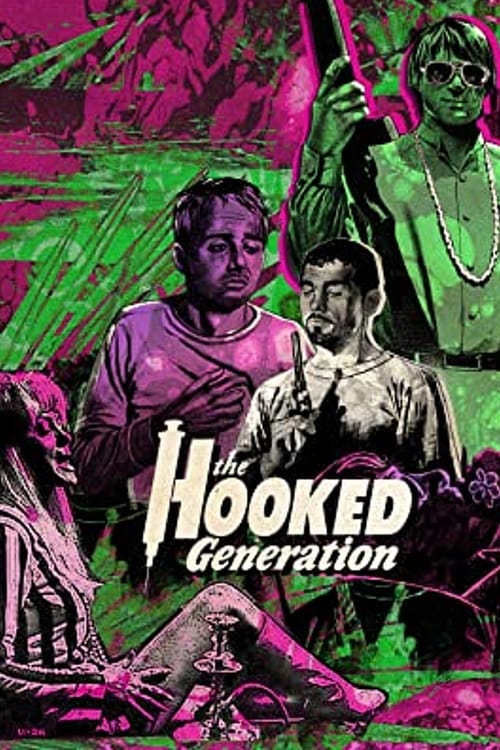
The Hooked Generation
1968
No user ratings available yet
Diversity score: 3.8 out of 10

1970
RDirector
Martin B. Cohen
Runtime
78 minutes
Average Rating
No ratings yetSynopsis
In a small, US costal town with many Spanish speakers, a motorcycle gang arrives on holiday. Also in town to try to reconnect with his pregnant girlfriend, Karen, is businessman Paul Collier. Paul and a leader of the cyclists, J.J., knew each other years before, so when the gang comes upon the couple and, led by the menacing Bunny, beats up Paul and begins a sexual assault of Karen, J.J. tries to intervene: he suggests they hold cycle-riding contests, with the winner claiming Karen (he promises, sotto voce, to set her free if he wins). After the contests commence, Paul crawls away to look for help. He meets with a shrug from a cowardly sheriff's deputy; where can he turn?
Overall Score
Fair
Category Breakdown
LGBTQ+ Representation
The film lacks explicit depictions of LGBTQ+ identities or non-heteronormative relationships. The central conflict remains strictly focused on a heterosexual dynamic between Paul and Karen.
Gender Representation
Karen is positioned as a passive object of conflict, serving as a prize or a victim rather than an active agent. The narrative relies on traditional, violent gender tropes.
Racial & Ethnic Diversity
The setting features ethnic plurality, specifically noting a coastal town with many Spanish speakers. This provides a more diverse backdrop than many homogeneous films of the era.
Religious & Cultural Diversity
The plot explores systemic failure through an ineffective sheriff's deputy. However, it leans heavily on standard crime tropes like gang violence and sexual assault.
Disability Representation
There are no characters identified as having visible or invisible disabilities within the narrative.
Strengths
Areas for Improvement
AI Analysis
Rebel Rousers functions as a standard 1970s crime drama that utilizes a diverse setting but fails to provide deep character agency. While the coastal town's Spanish-speaking population offers environmental inclusion, the story's core is driven by patriarchal conflict and victimization. The film's reliance on traditional tropes—specifically the treatment of the female protagonist as a prize to be won—limits its progressive potential. It captures a sense of institutional cynicism through its depiction of law enforcement, yet lacks intersectional depth. Ultimately, the film provides a moderate level of ethnic background but remains tethered to the era's conventional narrative structures regarding gender and power.
1968
1985
1981
1960
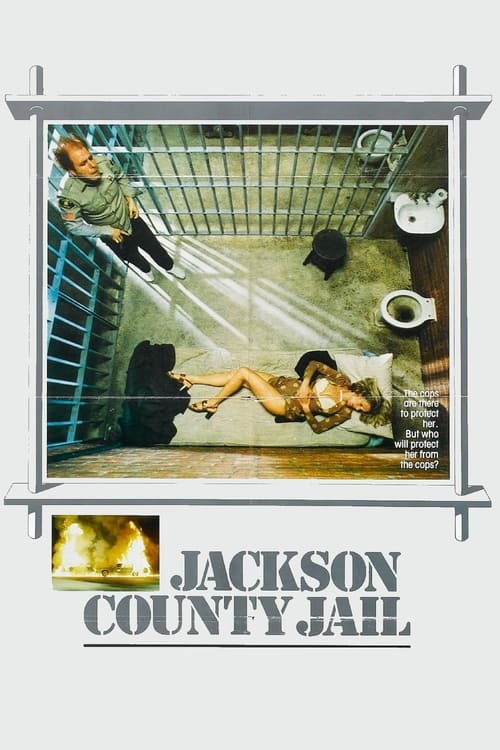
1976
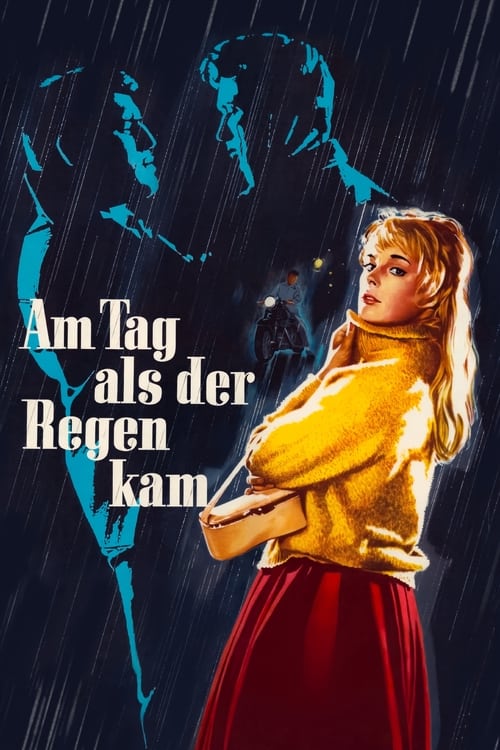
1959
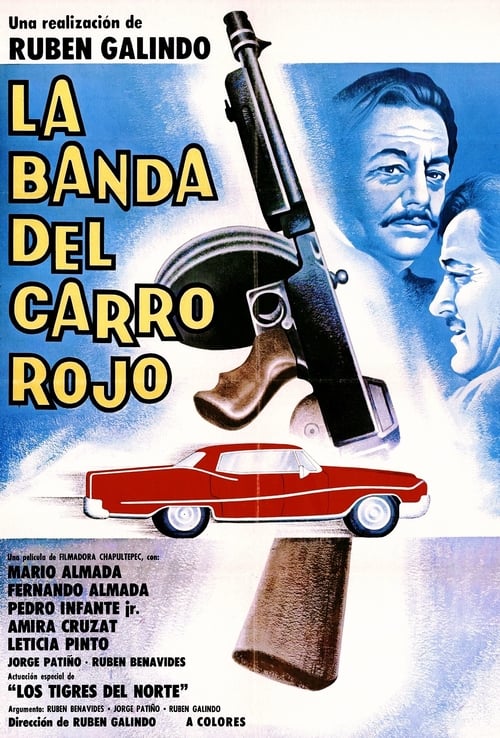
1978
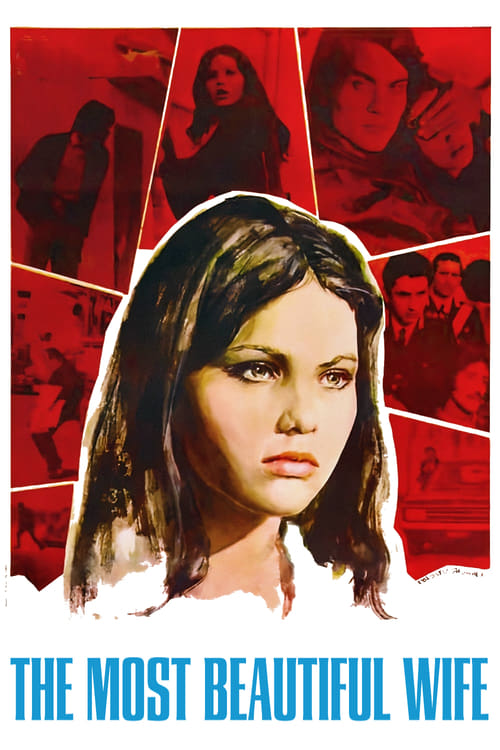
1970
1976
1985
1970
1969
No reviews yet. Be the first to share your thoughts on this movie!
Use the rating form above to leave a star rating and optional review.