Little Red Riding Hood
1959
No user ratings available yet
Representation score: 1.2 out of 10
Representation Score
Minimal
1977
Director
Leonid Nechayev
Runtime
132 minutes
Average Rating
No ratings yetNew Showbiz Analysis
This 1977 Soviet production preserves classical storytelling rather than serving as a platform for contemporary characters who reflect more than one aspect of diversity. It adheres strictly to established folkloric hierarchies and traditional moral frameworks. The narrative centers on the cyclical nature of conflict between a predator and a protagonist. By relying on archetypes such as the 'maiden in peril' and the 'predatory male,' it reinforces rather than challenges social norms. Ultimately, the film lacks diversity across most modern metrics, presenting a homogeneous world that prioritizes resolving a traditional moral conflict over social complexity.
Category Breakdown
The film does not depict any LGBTQ+ identities or queer narratives. Character interactions are based on traditional folkloric roles and biological relationships.
The narrative relies on traditional gendered archetypes. Little Red Riding Hood functions in a traditional feminine role, navigating a landscape defined by the predatory masculine threat of the Wolf.
The cast consists of stylized human and anthropomorphic figures. The film lacks intentional racial blending, presenting a homogeneous folkloric world reflecting its specific production context.
The film operates within a traditional moral universe where social order is maintained by thwarting predatory behavior. It reinforces a clear distinction between good protagonists and malicious antagonists.
There are no visible or invisible disabilities portrayed. Characters are presented through the lens of standard folkloric health and vitality without engaging with neurodivergence or physical impairment.
Present on Screen
Limited or Absent
Official Synopsis
A sequel to the well-known story about a Little Red Riding Hood (Krasnaya Shapochka). This time, a family of a slain wolf decides to avenge his death. So they falsely inform Little Red Riding Hood that her grandma is sick and prepare to eat her on her way.
1959
1953
1983

1987
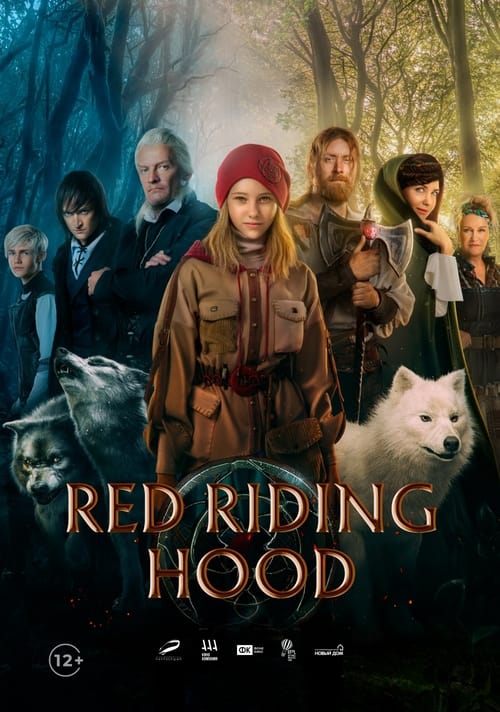
2022
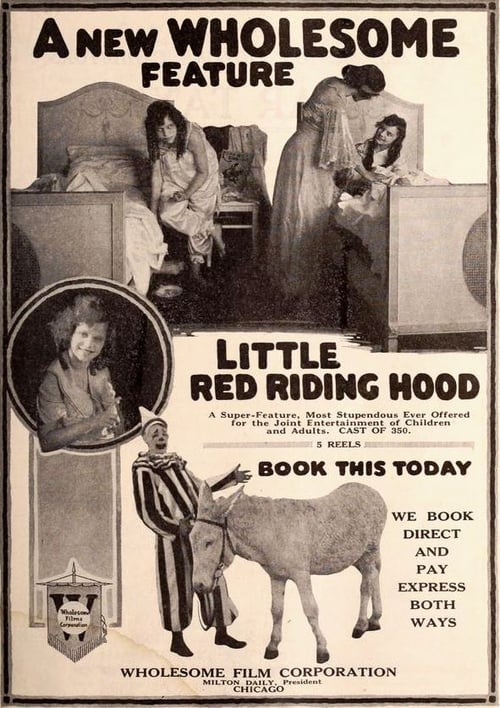
1918
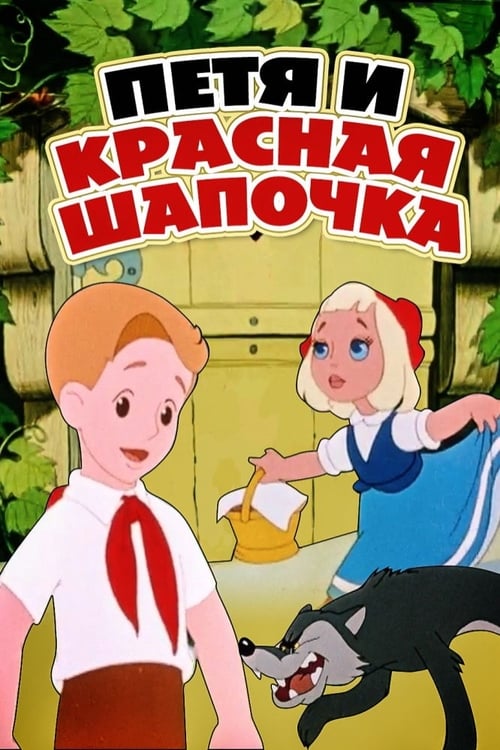
1958

2006
No reviews yet. Be the first to share your thoughts on this movie!
Use the rating form above to leave a star rating and optional review.