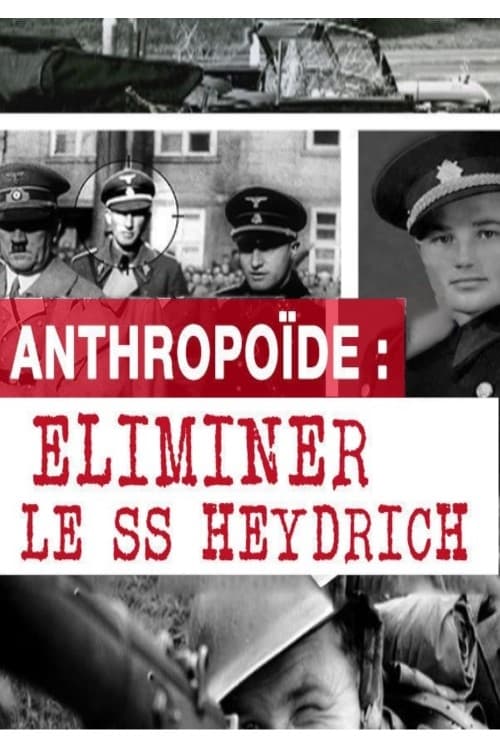
Operation Anthropoid - Eliminate the SS Heydrich
2014
No user ratings available yet
Representation score: 1.1 out of 10
Representation Score
Limited
2005
Not RatedDirector
Isabelle Clarke, Daniel Costelle
Runtime
60 minutes
Average Rating
No ratings yetNew Showbiz Analysis
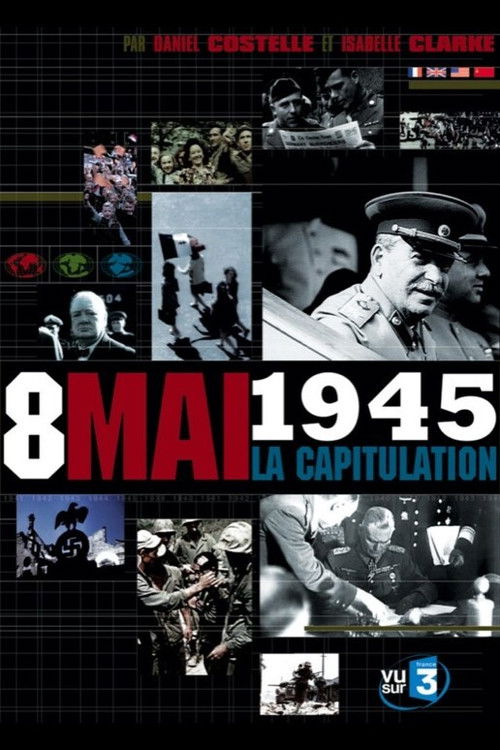
Capitulation, the Final Hours that Ended World War II provides a detailed look at the transition from global conflict to the Cold War. It succeeds by using unknown archives to deconstruct the simple 'victory' narrative, instead highlighting the growing friction between the Allies and the Soviets. However, the film is heavily constrained by the era it depicts. The narrative structure is dominated by male-led military and diplomatic hierarchies, offering little space for diverse identities. While it provides geopolitical depth, it remains centered on the traditional power structures of the mid-1940s.
Category Breakdown
The film focuses on geopolitical maneuvers and military movements of May 1945. There are no characters or narratives addressing LGBTQ+ identities or non-traditional gender identities.
Male military and political leaders play a central role. While archival footage may depict women in civilian roles, the overall structure emphasizes masculine leadership.
The documentary examines the transition from WWII to the Cold War. While it explores global conflicts, the central power struggles remain anchored in Anglo-American and Soviet spheres.
The narrative disrupts traditional celebratory themes by framing the end of the war as the beginning of the Cold War. This introduces systemic skepticism and moral complexity.
As an archival documentary focused on political shifts, there is no specific evidence regarding the portrayal of individuals with disabilities.
Present on Screen
Limited or Absent
Official Synopsis
A film made of archives mostly unknown, on the last day of the Second World War in Europe and on the events which preceded it. This film also shows the growing tension between the Allies and the Soviets at the time: May 8, 1945 is also the first day of the Cold War.
2014
1966
2008
2012
1945
2018
1994
2011
No reviews yet. Be the first to share your thoughts on this movie!
Use the rating form above to leave a star rating and optional review.