
Report from the Aleutians
1943
No user ratings available yet
Representation score: 0.3 out of 10
Representation Score
Minimal
1945
Not RatedDirector
Frank Capra
Runtime
63 minutes
Average Rating
No ratings yetNew Showbiz Analysis
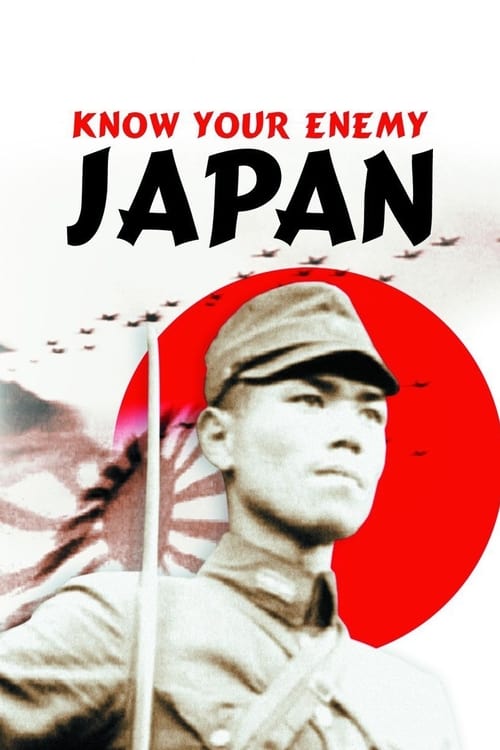
Frank Capra’s wartime documentary serves as a tool for nationalistic mobilization rather than a platform for diverse representation. It relies on stark contrasts to distinguish the American populace from the Japanese adversary. The film uses racialized caricatures and traditional gender hierarchies to unify a national identity. By framing the conflict through the lens of Western exceptionalism, it reinforces existing geopolitical power structures of the cq 1940s. Ultimately, the work lacks any progressive representation or depth in addressing multiple aspects of identity, focusing instead on the psychological profiling of a geopolitical enemy to justify state-aligned objectives.
Category Breakdown
The film does not depict any LGBTQ+ identities or dynamics that challenge the assumption that everyone is straight or cisgender. The story focuses solely on the conflict between the domestic population and the foreign adversary.
Women in the film are shown mainly in roles that support the Imperial state or as part of the civilian war effort. There is no depiction of women taking actions that challenge patriarchal structures.
The documentary uses racialized caricatures and imagery to portray the enemy as dehumanized. It contrasts a homogeneous Western identity against a perceived monolithic and threatening Eastern identity.
The film criticizes State Shintoism and the Emperor cult as tools of psychological control. However, this critique supports Western institutional superiority rather than a progressive deconstruction of power structures.
There is no representation of physical or neurodivergent identities. The focus remains on macro-level sociological and military analysis, ignoring individual human experiences.
Present on Screen
Limited or Absent
Official Synopsis
Frank Capra-directed propaganda film produced during World War II depicting the United States' new enemy: Japan.
1943

2014
1945
2005

1945

2011

1943

1990
No reviews yet. Be the first to share your thoughts on this movie!
Use the rating form above to leave a star rating and optional review.