
Operation Anthropoid - Eliminate the SS Heydrich
2014
No user ratings available yet
Representation score: 1.1 out of 10
Representation Score
Excellent
1994
Not RatedDirector
Arnold Schwartzman
Runtime
100 minutes
Average Rating
No ratings yetNew Showbiz Analysis
Liberation (1994) succeeds by rejecting a purely military-centric view of World War II. By juxtaposing Allied movements with the lived experiences of Jewish populations, the film elevates ethnic and religious identity to a central narrative role. The documentary's strength lies in its dual-track architecture, which balances macro-scale geopolitical conflict with the micro-scale of human survival. This structure provides a more nuanced historical critique than standard combat-focused war films. However, the film's reliance on archival footage and its focus on large-scale historical events means that specific identities, such as LGBTQ+ experiences or explicit gender roles, remain secondary to the broader themes of genocide and war.
Category Breakdown
The documentary focuses on geopolitical and genocidal realities, limiting explicit depictions of non-traditional gender identities. Queer experiences in resistance or camps may be present but are not the primary focus.
The film moves beyond traditional military hierarchies by interweaving stories of courage and resistance. This approach acknowledges the roles of women in civilian resistance and the survival of persecuted communities.
The film centers the Jewish experience as a core pillar rather than a secondary subplot. It disrupts conventional military narratives by framing the Holocaust as a central front of the war.
The documentary highlights the systemic failure of global institutions to prevent genocide. It prioritizes the voices of the persecuted and uses period media to deconstruct official state narratives.
The narrative inherently addresses the physical and psychological traumas of the era. It engages with the profound vulnerabilities experienced by those targeted by the regime through stories of survival.
Present on Screen
Limited or Absent
Official Synopsis
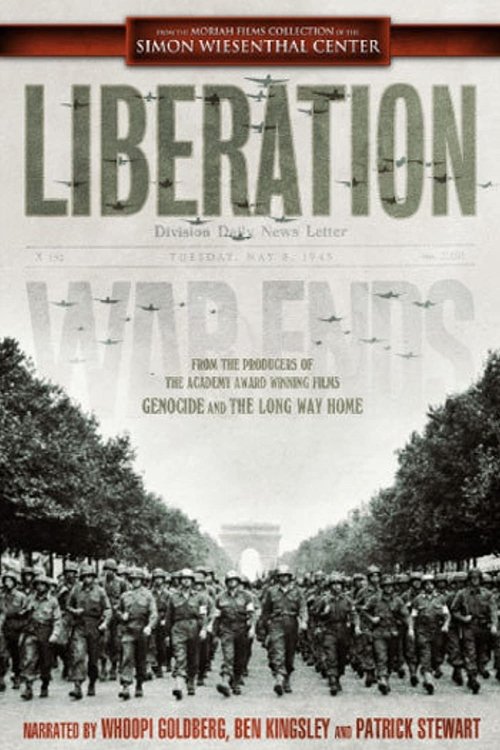
A retrospective that begins in 1942, when Adolf Hitler was still at the height of his power and the Allies began envisioning a cross-channel invasion of Europe. By combining film footage, period music, and radio broadcasts from around the world, this film illuminates the strategies and deceptions of the combatants on all sides.
2014
1998

2019

1985
1982

2001

2015
2005
No reviews yet. Be the first to share your thoughts on this movie!
Use the rating form above to leave a star rating and optional review.