
Hotel Yugoslavia
2017
No user ratings available yet
Diversity score: 6.4 out of 10
1993
Director
Can Dündar
Runtime
43 minutes
Average Rating
No ratings yetSynopsis
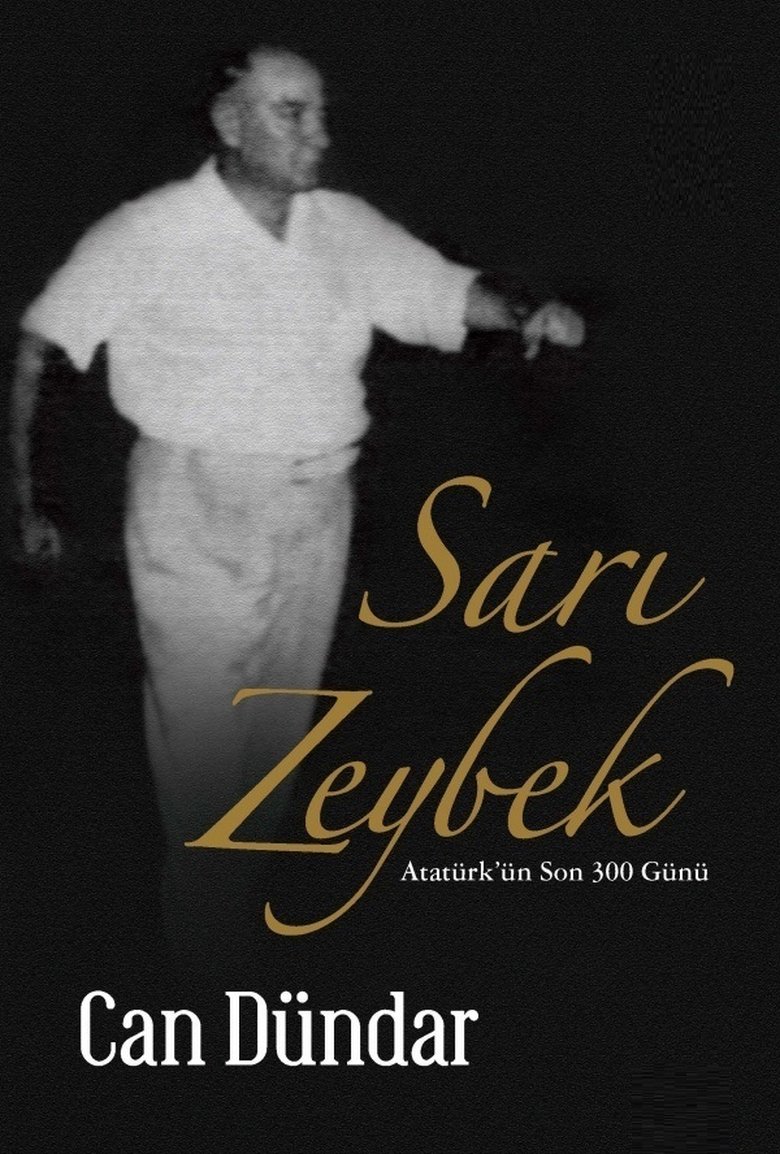
From the famous Turkish journalist, Can Dündar narrates the last 300 days of Mustafa Kemal Atatürk. The documentary features the stories and mails from the friends of Atatürk who is the founder of Turkish Republic and also led the Turkish army in the Turkish War of Independence
Overall Score
Fair
Category Breakdown
LGBTQ+ Representation
The film provides a framework for exploring early 20th-century social dynamics through personal letters. However, it lacks explicit depictions of non-cisnormative identities or queer subtext.
Gender Representation
By centering Atatürk's personal connections and correspondence, the film moves beyond domesticity. This approach potentially elevates the voices of women within his political and social sphere.
Racial & Ethnic Diversity
The narrative is tied to the ethnic landscape of the Turkish War of Independence. While it engages with multi-ethnic complexities, the focus remains on the Turkish nationalist movement.
Religious & Cultural Diversity
The documentary emphasizes secularism and the deconstruction of traditional religious institutions. It reinforces a narrative of modernity by chronicling the architect of Turkish secularism.
Disability Representation
There is no evidence regarding the portrayal of physical or neurodivergent disabilities in this work.
Strengths
Areas for Improvement
AI Analysis
Sarı Zeybek shifts the historical gaze from state-centric military history to the intimate, private struggles of Mustafa Kemal Atatürk. By utilizing personal correspondence and testimonies, the documentary humanizes a foundational leader rather than relying on monolithic tropes. The film's progressive value lies in its commitment to secularism and its deconstruction of rigid historical narratives. It moves the story from the battlefield to the private sphere, offering a more complex view of power. While the film does not overtly center contemporary marginalized identities, its methodology allows for a more nuanced understanding of the social ecosystem surrounding the Republic's founding.
2017
2000

2018

2006
2024
2010
1994

1961

1975
1985
2012
1962
No reviews yet. Be the first to share your thoughts on this movie!
Use the rating form above to leave a star rating and optional review.