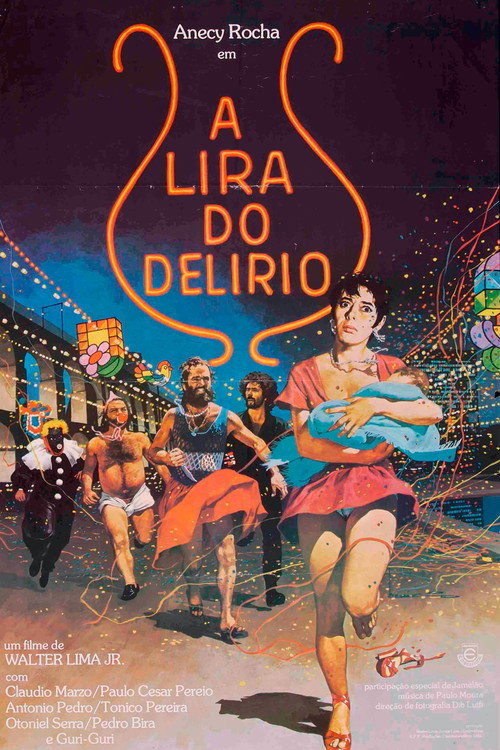
The Lyre of Delight
1978
No user ratings available yet
Diversity score: 6.4 out of 10
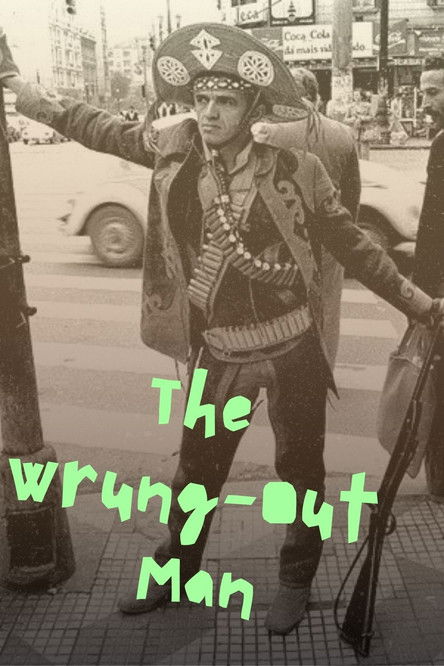
1980
Director
João Batista de Andrade
Runtime
97 minutes
Average Rating
No ratings yetSynopsis
Deraldo, a popular poet from Northeast Brazil, arrives in the capital of São Paulo, making a living only from his poetry and pamphlets. All is well until he is mistaken for a multinational worker who killed the boss at a party where he received the title of symbolic worker.
Overall Score
Good
Category Breakdown
LGBTQ+ Representation
The film lacks explicit evidence of non-cisnormative identities or same-sex intimacy. The narrative focus remains centered on class and regional identity.
Gender Representation
The story centers on Deraldo, a male poet. There is little evidence of nuanced female characters or the subversion of traditional masculine leadership roles.
Racial & Ethnic Diversity
The film highlights regionalist complexities by centering a protagonist from Northeast Brazil. This addresses the movement of populations from marginalized backgrounds into metropolitan centers.
Religious & Cultural Diversity
The narrative critiques capitalist structures through the friction between artistic expression and multinational labor. It disrupts conventional ideas of success by framing a poet's struggle.
Disability Representation
There is no evidence of characters with visible or invisible disabilities within the provided context.
Strengths
Areas for Improvement
AI Analysis
The film offers a meaningful engagement with systemic power dynamics by pitting a regional poet against a multinational corporate structure. It succeeds in highlighting the tensions of internal migration and class struggle within the Brazilian landscape. However, the narrative lacks visibility regarding gender and LGBTQ+ identities. The focus is heavily weighted toward socio-economic and regionalist themes, leaving other intersectional dimensions unexplored. Ultimately, the work serves as a critique of capitalism and urban displacement, prioritizing regional identity over a broad spectrum of social representation.
1978

2005

2019

1998
2010

2017

2018

2018

1966

2019

2024
1974
No reviews yet. Be the first to share your thoughts on this movie!
Use the rating form above to leave a star rating and optional review.