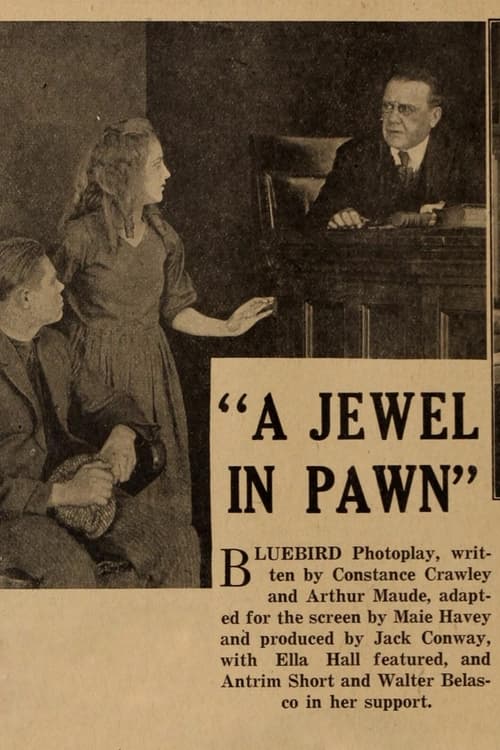
A Jewel in Pawn
1917
No user ratings available yet
Representation score: 2.0 out of 10
Representation Score
Minimal
1920
PassedDirector
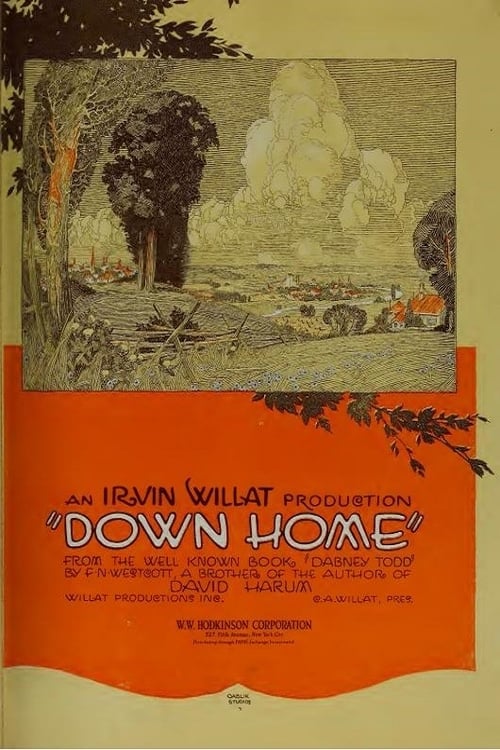
Irvin Willat
Runtime
70 minutes
Average Rating
No ratings yetNew Showbiz Analysis
Down Home is a traditional period drama that largely adheres to the social and demographic norms of the 1920s. It lacks the multi-layered complexity or systemic critique found in more progressive modern narratives. The film's primary point of interest is its subtle challenge to traditional gender roles by positioning the female lead as the primary financial supporter. However, the film remains rooted in the demographic norms of its time and setting. It offers little in the way of racial, cultural, or LGBTQ+ diversity.
Category Breakdown
The film doesn't include any LGBTQ+ characters or non-cisgender identities. It follows typical early 20th-century dramatic structures focused on traditional relationships.
Nancy Pelot subtly challenges traditional gender roles by being the main financial supporter for her father. However, the nature of her job remains unclear.
Set in rural New England, the film focuses on a localized, homogeneous community. There is no evidence of a non-white majority cast.
The drama centers on individual struggles related to social decline and lost status. It lacks any indication of anti-religious or anti-capitalist sentiment.
The father's substance abuse is mentioned, but it's unclear if this is treated as a medical condition. There isn't enough information to assign a score.
Present on Screen
Limited or Absent
Official Synopsis
DOWN HOME is a rural drama set in New England and stars Leatrice Joy as Nancy Pelot, daughter of the town drunk. He was once a businessman and still owns a local farm, but Nancy now supports her father and herself with a mysterious job in a nearby town.
1917

1930
1931
1920
1931
1927
1920
1919
No reviews yet. Be the first to share your thoughts on this movie!
Use the rating form above to leave a star rating and optional review.