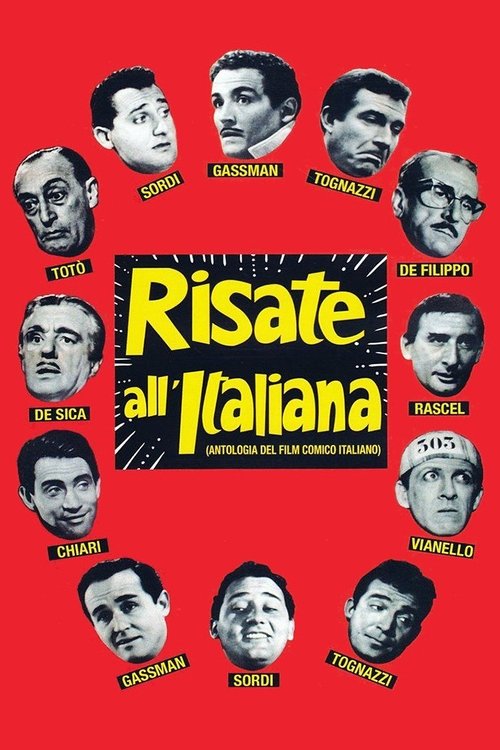
Sex with a Smile
1976
No user ratings available yet
Representation score: 1.6 out of 10
Representation Score
Limited
1964
Director
Camillo Mastrocinque, Steno
Runtime
92 minutes
Average Rating
No ratings yetNew Showbiz Analysis
Laughs Italian Style is a product of the Commedia all'italiana movement, using satire to critique social norms and class structures. While the genre inherently mocks traditional societal norms, the film remains rooted in the demographic and social frameworks of its time. The anthology format makes it difficult to identify a consistent progressive message. The film serves more as a reflection of mid-century Italian society than a tool for promoting diverse representation or complex identities.
Category Breakdown
The film does not include any clear evidence of queer narratives or non-cisgender identities. It follows the typical heterosexual and cisgender assumptions common in 1964 Italian cinema.
Women are primarily portrayed through comedic stereotypes or within traditional domestic roles. There is little indication of female characters challenging traditional hierarchies or having significant influence over the plot.
The story focuses on a predominantly Mediterranean population. The cast and setting reflect a typical mid-century Italian society without notable racial diversity.
Satire is used to mock traditional institutions such as the Church and the family unit. However, these jokes reinforce local cultural identity rather than challenging broader social norms.
There is no clear depiction of characters with physical or neurodivergent conditions in this collection of comedic skits.
Present on Screen
Limited or Absent
Official Synopsis
A sort of best of popular comedy skits from previous films by various directors.
1976
1963
1966

1980
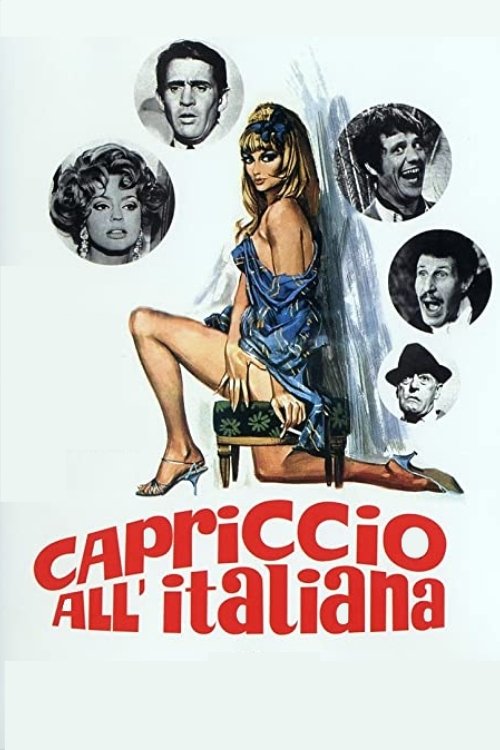
1968
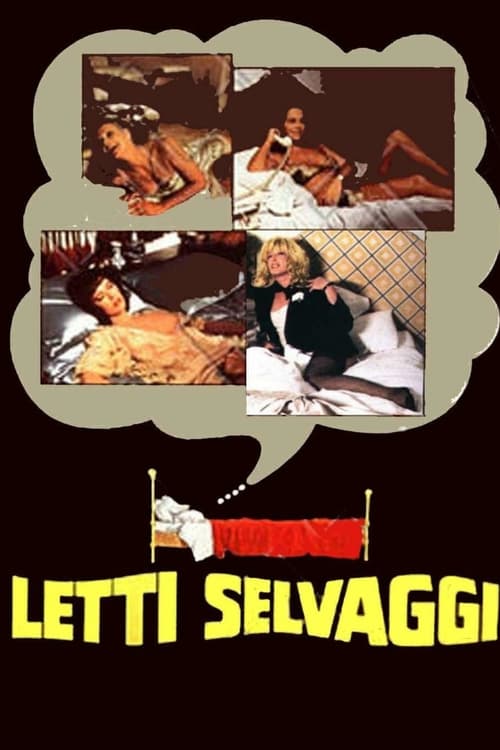
1979
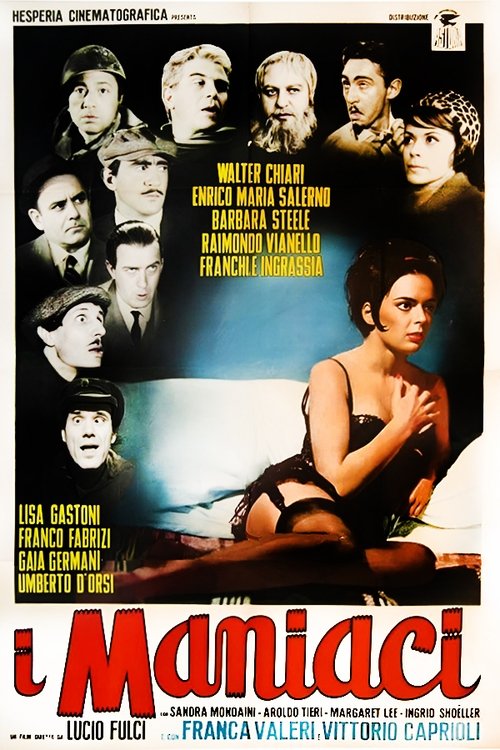
1964
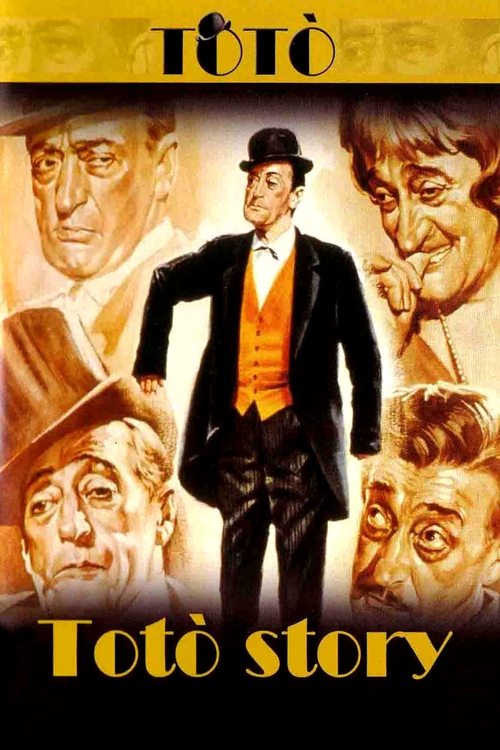
1968
No reviews yet. Be the first to share your thoughts on this movie!
Use the rating form above to leave a star rating and optional review.